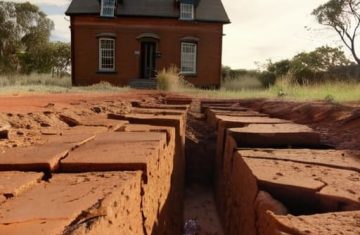
I can still smell the damp, stagnant air of that semi-detached in Surrey—a house that had been gutted by a kitchen fire three days prior. I remember standing there in my boots, looking at the charred remains of what used to be a family’s livelihood, while the homeowner paced the driveway, convinced that his “comprehensive” policy meant everything was a given. He thought the process was just a formality, a quick rubber stamp from a clerk in a call centre. He didn’t realize that how claims are investigated is less about checking boxes and more about a forensic dissection of what actually happened versus what the policy promises happened.
I’m not here to give you a brochure version of the truth or tell you that the system is rigged; I’m here to tell you how it actually functions. Over thirty-seven years, I’ve seen the gap between a policyholder’s expectations and an adjuster’s reality, and that gap is usually filled with unanswered questions. In this article, I’m going to pull back the curtain on the actual mechanics of an investigation. I’ll show you exactly what we are looking for when we walk through your door, so you aren’t caught off guard when the questions get difficult.
Beyond the Phone Call How Claims Are Investigated
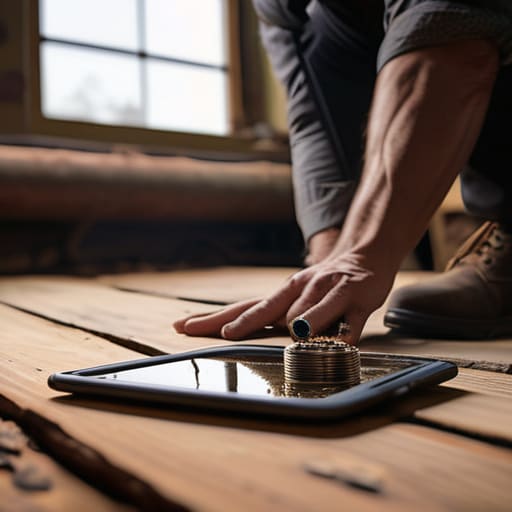
Once the initial notification is logged, the process moves from a simple conversation to a formal insurance claim examination process. This is where the “story” meets the reality of the physical evidence. If you’ve had a burst pipe, I wouldn’t just take your word that it happened at 2:00 AM; I’d be looking at the dampness levels, the age of the fittings, and whether the damage matches the timeline you provided. We aren’t just looking for reasons to say no, but we are looking for the truth of the event.
This stage relies heavily on specific claims adjuster investigative techniques to bridge the gap between what is reported and what can be proven. This might involve interviewing witnesses, reviewing CCTV, or hiring forensic specialists to examine fire patterns. It isn’t always about detecting fraudulent insurance claims, though that is a part of the job. More often, it is about the meticulous evidence collection in claims to ensure the payout matches the actual loss. We are looking for the “why” and the “how” to ensure the contract is being applied exactly as it was written.
The Claims Adjuster Investigative Techniques You Need to Know
When I was in the field, I wasn’t just looking at the damage; I was looking for the story the damage told. One of the primary claims adjuster investigative techniques we used involved a meticulous approach to evidence collection in claims. If a kitchen fire occurred, I wasn’t just interested in the charred cabinets. I was looking at the electrical outlets, the state of the appliances, and whether the accelerant patterns matched the reported cause. You see, physical evidence rarely lies, but people often misremember—or misrepresent—the sequence of events.
We also spent a great deal of time looking for inconsistencies that might suggest we were detecting fraudulent insurance claims. This wasn’t always about catching a thief; sometimes it was simply about identifying suspicious claim patterns that didn’t align with the policyholder’s lifestyle or the physical reality of the loss. We would cross-reference repair estimates with actual market costs and scrutinize the timeline of the loss against digital footprints. My job was to ensure that the payout matched the contract, nothing more and nothing less.
Evidence Collection in Claims What They Actually Look for
When I was out in the field, I wasn’t just looking at the damage; I was looking for the story the damage told. In the evidence collection in claims phase, an adjuster is essentially a forensic storyteller. If a pipe burst, I wasn’t just looking at the puddle on the floor; I was looking at the oxidation on the copper, the age of the sealant, and whether the shut-off valve had been tampered with. We look for the “why” behind the “what.” It’s about matching the physical reality of the scene to the timeline you provided over the phone. If the water damage looks three days old but you reported it this morning, that’s where the friction begins.
We also lean heavily on documentation to bolster our claims verification procedures. This means pulling maintenance logs, receipts for recent repairs, or even digital footprints like smart home sensor data. It isn’t always about detecting fraudulent insurance claims—most people are honest and just mistaken—but we have to be certain. We’re looking for the gap between what the policy covers and what actually occurred on the ground.
Detecting Fraudulent Insurance Claims and Identifying Suspicious Patterns
Now, I need to be clear: most people who call me are genuinely distressed, and I have no interest in treating a victim like a criminal. However, part of my job for nearly four decades was knowing when the story didn’t match the wreckage. When we talk about detecting fraudulent insurance claims, we aren’t just looking for the obvious Hollywood arsonist. We are looking for inconsistencies. It usually starts with the timing—a claim filed immediately after a policy limit was increased, or a loss that occurs just days before a premium is due. I’ve seen many a “sudden” burst pipe that actually looked like it had been leaking for months, or a theft where the security system conveniently “malfunctioned” at the exact moment of entry.
The real work happens during the claims verification procedures, where we cross-reference your story against the physical reality of the scene. If you tell me a high-end television was stolen, but the power outlet shows no signs of recent use, or if the “damaged” goods look suspiciously well-preserved despite the supposed flood, the red flags go up. We aren’t just checking boxes; we are looking for patterns of behavior that suggest the loss was engineered rather than accidental.
The Final Verdict Navigating Claims Verification Procedures
Once the field work is done and the files are stacked on my desk, we enter the stage that most people find the most frustrating: the actual verification. This isn’t just a rubber-stamping exercise. The claims verification procedures are designed to reconcile the physical evidence we gathered—the charred timber, the water-damaged drywall, the CCTV footage—against the specific definitions laid out in your policy wording. I’ve seen many a claim stall here, not because the loss didn’t happen, but because the nexus between the cause and the covered peril wasn’t clearly established.
At this stage, the insurance claim examination process becomes a matter of logic and documentation. We aren’t just looking at what broke; we are looking at whether the timing, the cause, and the reported value all align. If the evidence collection in claims suggests a slow leak, but the claim is filed as a sudden burst pipe, that discrepancy becomes the focal point. It’s a clinical, often cold process, but it is the necessary final filter to ensure that the payout matches the contract you signed.
Five Things I Learned from Thirty-Seven Years of Walking Through the Damage
- Don’t try to “help” by cleaning up before the adjuster arrives. I’ve spent decades walking into scenes where someone tried to tidy up a burst pipe or clear away charred debris to make it look less messy. In my experience, that doesn’t make you look responsible; it makes you look like you’re hiding the cause. Leave the scene exactly as it was when the loss occurred.
- Keep your story consistent, even if it’s boring. The biggest mistake I saw wasn’t people lying; it was people “improving” their story every time they spoke to a new person. If you tell the first person it happened at 2:00 PM and the second person you “think it was closer to tea time,” you’ve just handed the investigator a reason to doubt your entire credibility.
- Documentation is your only real shield. If you haven’t kept a record of your home improvements or your recent maintenance, don’t expect the insurer to take your word for it. If you tell me you replaced the roof three years ago, I’m going to look for the invoice. If you can’t produce it, you’re essentially asking me to take a leap of faith, and my job is the opposite of that.
- Read the “Conditions” section of your policy, not just the “Cover” section. Most people focus on what is covered, but the investigation is often governed by what you must do. If the policy says you must notify them within 24 hours or take reasonable steps to mitigate loss, and you wait a week while the water soaks into the floorboards, they aren’t being mean—they’re following the contract you signed.
- Be honest about the small stuff. If you’ve had a minor leak before or a small electrical flicker, say so. I’ve seen many a claim fall apart because an investigator found evidence of a long-term issue that was treated as a sudden, accidental event. It’s much better to have a difficult conversation about an exclusion early on than to have a claim denied entirely because of non-disclosure.
The Adjuster’s Final Word: What You Need to Remember
Don’t mistake a friendly conversation for a guarantee; an adjuster is there to verify facts against the policy wording, not to offer opinions or promises.
The burden of proof is almost always on you, so keep your receipts, photos, and documentation organized from the moment the loss occurs.
Most disputes aren’t about whether the event happened, but about whether the specific wording of your policy actually covers the way it happened.
The Bottom Line
At the end of the day, an investigation isn’t a personal attack; it is simply the process of reconciling what happened on the ground with what you signed for in that policy document. We’ve looked at how adjusters sift through physical evidence, how they spot the red flags of fraud, and how they verify every detail to ensure the payout matches the contract. Whether it’s a forensic engineer examining a burnt-out kitchen or a digital trail of receipts, the goal is to find the truth. You need to understand that the investigation is where the theory of your coverage meets the hard reality of the loss, and being prepared for that scrutiny is the only way to navigate it without losing your head.
I’ve spent nearly four decades watching people face the moment of truth, and if there is one thing I have learned, it is this: clarity is your best defense. You don’t need to be an expert in insurance law, but you should strive to be an expert in your own circumstances and your own policy. Don’t wait until the smoke has cleared and the water is dripping from your ceiling to start asking the difficult questions. If you approach your insurance with informed diligence rather than blind hope, you will find that the investigation becomes less of a hurdle and more of a straightforward path to resolution.
Frequently Asked Questions
If I’ve already provided a statement and photos, why does the adjuster need to come out and see the damage in person?
Look, I’ve seen plenty of people think a handful of smartphone photos and a written statement should do the trick. They won’t. Photos lie; they flatten depth and hide the very things I spent thirty-seven years looking for. I need to smell the damp, check the structural integrity behind a fallen ceiling, and see if the damage pattern actually matches your story. A policy is a legal contract, and I can’t sign off on a payout based on a digital snapshot.
Does the insurer have the right to look through my personal records or digital history if they suspect the claim doesn't match my policy?
The short answer is: yes, they can, provided the policy wording gives them the right to investigate the loss. If there’s a genuine discrepancy between your story and the evidence, an insurer isn’t going to stop at the charred remains of a living room. They’ll look for the “why” and the “how,” which often means digging into digital footprints or financial records to see if the claim aligns with the reality of your circumstances.
At what point in the investigation does the insurer decide to actually pay out, and can I challenge their findings if they disagree with my contractor's report?
The decision to pay happens once the adjuster confirms two things: the cause of loss is covered under your specific wording, and the value of the loss is accurately quantified. If they disagree with your contractor, it usually comes down to a dispute over the “scope of works” or the “standard of repair.” You can absolutely challenge them. Don’t just argue; provide a second, independent professional report that specifically addresses the wording the insurer is using to deny the cost.