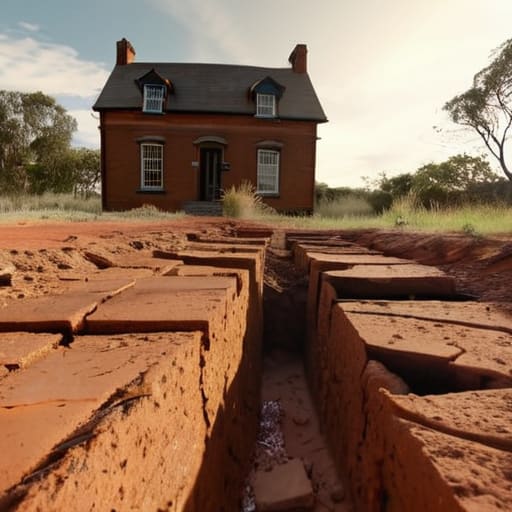
I remember standing in a drawing room in Surrey back in ’94, watching a homeowner point at a hairline crack in the plaster with a look of absolute betrayal. He’d been paying his premiums religiously, convinced that a crack meant a cheque, but he hadn’t actually read the section on soil movement exclusions. Most people approach a structural failure with a sense of entitlement, expecting the insurer to simply fix the house because “it’s broken,” but they don’t realize that understanding how subsidence claims work requires looking at the ground beneath your feet long before you look at the damage on your walls.
I’m not here to give you a glossy brochure or tell you that every crack is a payday. I’ve spent thirty-seven years seeing exactly where the technicalities bite, and I want to show you the reality of the process from the adjuster’s desk. We are going to strip away the jargon and look at the actual mechanics of the claim, from the initial engineer’s report to the final settlement. My goal is to ensure that by the time you file, you know exactly what your policy says so you aren’t left staring at a declined letter when you need help the most.
The Ground Beneath You How Subsidence Claims Work
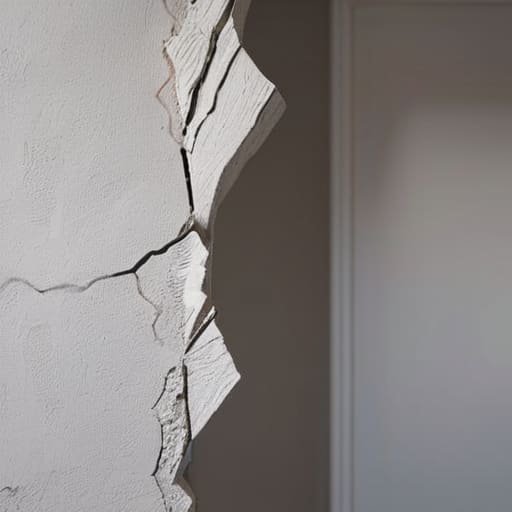
When a crack appears in a plaster wall, most people panic and assume the insurance company is going to write a cheque for a new foundation. That isn’t how it works. The process doesn’t start with a payout; it starts with a building movement investigation. Once you report the issue, the insurer won’t just take your word for it. They will appoint their own expert—a subsidence specialist surveyor—to determine if that crack is merely seasonal “settlement” or actual, problematic movement caused by things like clay soil shrinkage.
This is the stage where the distinction between “damage” and “movement” becomes everything. If the surveyor determines the movement is ongoing, they’ll move into a formal structural damage assessment to map out the severity. You have to understand that the insurance claim procedure is designed to be clinical, not sympathetic. They aren’t looking for reasons to pay; they are looking for the cause. If the cause is deemed an excluded peril—like a leaking pipe you failed to fix—the claim ends right there, regardless of how much your house is leaning.
Soil Shrinkage Causes and the Truth About Your Foundation
Most people see a crack in the plaster and think the house is simply settling. In my experience, that’s rarely the case with true subsidence. You have to look at the soil. The primary soil shrinkage causes usually involve clay-heavy ground that acts like a sponge; it swells when wet and shrinks significantly during a drought. When that ground pulls away from your footings, the house doesn’t just sit there—it moves. It’s a slow-motion disaster that happens long before you notice the diagonal cracks appearing above your doorframes.
Once the movement is detected, the insurer won’t just take your word for it. They will dispatch a subsidence specialist surveyor to determine if the movement is active or historic. This is a critical juncture in the process. I’ve seen many homeowners assume that if a crack is visible, the claim is a foregone conclusion. However, if the surveyor determines the movement is due to a lack of maintenance—like a leaking drain or a tree planted too close to the house—the insurer might argue the damage was preventable. You aren’t just fighting the ground; you’re fighting the definition of the cause.
The Building Movement Investigation Beyond the Surface Cracks
When I walked onto a site to investigate a potential claim, I never looked at the cracks first. I looked at the history of the ground. A crack in a plaster wall is just a symptom; it isn’t the diagnosis. To get a claim moving, you have to move past the visual evidence and engage a subsidence specialist surveyor. This isn’t just someone with a level and a tape measure; it is a professional tasked with determining whether that movement is seasonal, caused by nearby tree roots, or a fundamental failure of the strata. If the surveyor can’t prove the movement is ongoing and caused by a specific peril defined in your policy, the claim is dead in the water before it even reaches my desk.
Once the movement is confirmed, the focus shifts to a formal structural damage assessment. This is where the technical reality meets the financial one. We aren’t just looking at how much it costs to patch the masonry; we are looking at the stability of the entire footprint. I’ve seen many policyholders assume that because they have “subsidence cover,” the insurer will simply write a check for whatever the builder quotes. That isn’t how it works. The investigation determines the scope of necessity—distinguishing between what is required to make the building safe and what is merely cosmetic.
Why a Subsidence Specialist Surveyor Holds the Real Power
When an insurer sends someone out to look at your cracks, they aren’t sending a philosopher; they are sending a technician. In my thirty-seven years, I’ve seen many a homeowner assume that because a crack looks deep, it must be subsidence. But the insurer’s representative is looking for a very specific set of data points to satisfy the policy wording. This is where a subsidence specialist surveyor becomes the most important person in the room. They aren’t just looking at the plaster; they are looking for the technical proof required to trigger the insurance claim procedure.
The real power lies in their ability to perform a definitive structural damage assessment that links the movement directly to the ground conditions. An insurer won’t pay out on “settlement” or “seasonal movement” if the policy excludes it, so the surveyor’s report is the pivot point upon which the entire claim turns. They determine whether the movement is a one-off event or a systemic failure of the foundation. If they can’t prove the cause, the claim dies on the vine, regardless of how much your walls are leaning.
From Structural Damage Assessment to the Final Remedial Works Costs
Once the specialist surveyor has finished their report and the insurer has actually accepted liability—which, let’s be clear, is never a guarantee—you enter the most expensive phase of the insurance claim procedure. At this stage, the focus shifts from “is it moving?” to “how much will it cost to stop it?” You aren’t just looking at patching cracks; you are looking at underpinning, grouting, or even massive drainage realignments. This is where the remedial works costs can spiral, and where I’ve seen many policyholders realize that their annual premium was a far cry from the reality of structural stabilization.
The transition from a structural damage assessment to a final settlement is rarely a straight line. You will see a series of quotes, often conflicting, for the actual repairs needed to stabilize the footprint of the building. I always tell people to look closely at whether the quote covers both the stabilization of the ground and the subsequent cosmetic repairs to the fabric of the house. If the insurer only settles for the former, you might find yourself with a stable house that still looks like it’s been through a war zone.
Five Things I’ve Learned from Three Decades of Settling Subsidence Claims
- Stop looking at the cracks and start looking at your Schedule of Insurance. Before you call your broker in a panic, find the section on “subsidence” and read the exact wording. I’ve seen countless people assume they’re covered for ground movement, only to find out their specific policy has an exclusion for certain types of soil or specific tree-related damage that they never bothered to check.
- Document the timeline, not just the damage. When I walked into a site, the first thing I wanted to know wasn’t just how big the crack was, but when it appeared and what the weather had been doing. Keep a simple diary: “Crack appeared after three weeks of heatwave” or “Movement visible after heavy rain.” That context is often the difference between a claim being categorized as subsidence or being dismissed as simple seasonal shrinkage.
- Beware the “Underinsurance Trap” in your sum insured. This is the silent killer of claims. If your house is insured for £300,000 because that’s what you paid for it, but the cost to actually rebuild it following structural failure is £450,000, the insurer will apply the “Average Clause.” They won’t pay the full cost; they’ll pay a proportion based on how much you underinsured. You might find your payout doesn’t even cover the specialist underpinning.
- Don’t mistake a general builder for a subsidence expert. If you hire a local man with a van to “patch up” the cracks before the insurer’s surveyor arrives, you are making a massive mistake. You risk “spoliation of evidence”—essentially destroying the very proof needed to validate the claim. Let the professionals do the investigation first; if you fix the symptom before the cause is documented, you’ve likely just voided your chance at a settlement.
- Understand that “repair” and “remedy” are two different things in an adjuster’s eyes. An insurer is generally obligated to return the property to its pre-loss condition, not to make it better than it was. If the remedial works involve complex underpinning or soil stabilization, expect a long, drawn-out process of quotes and inspections. They aren’t being difficult for the sake of it; they are verifying that the proposed solution is necessary and proportionate to the movement.
The Bottom Line Before You Call Your Insurer
Don’t mistake a crack for a claim; the insurer won’t care about cosmetic damage, they care about structural movement, so ensure you have evidence of actual foundation shift before you trigger a formal investigation.
Your payout isn’t just about fixing the wall; it’s about the cost of the specialist surveyor and the remedial engineering, so make sure you understand if your policy covers the professional fees or just the physical repairs.
The most expensive mistake you can make is ignoring the “pre-existing” clause; if you knew the ground was dodgy before you took out the policy, you aren’t just looking at a difficult claim, you’re looking at a declined one.
The Final Word on Shifting Ground
If you’ve followed this through to the end, you’ll realize that a subsidence claim isn’t a simple matter of pointing at a crack and waiting for a cheque. It is a technical, often grueling process that relies entirely on the quality of your evidence and the specific language in your policy document. You have to understand that the investigation—from the soil analysis to the specialist surveyor’s report—is what dictates whether your claim is valid or dead on arrival. Remember, the insurer isn’t looking for a reason to help you; they are looking for the technical truth as defined by your contract. If your documentation is thin or your surveyor is inexperienced, you are essentially handing the reins of your financial recovery over to the other side.
At the end of the day, I know how stressful it is to feel like your very foundation is betraying you. It is unsettling, and it can feel like the world is literally moving under your feet. But don’t let the complexity of the claim process paralyze you. Knowledge is the only real hedge against the uncertainty of a structural failure. If you read the wording now, while your walls are still straight, you won’t be caught off guard when the ground begins to move. You can’t control the geology of your garden, but you can absolutely control how prepared you are to face it.
Frequently Asked Questions
If the cracks in my walls are clearly caused by the clay soil drying out, why won't my insurer just pay for the repairs immediately?
I’ve heard this question more times than I can count, usually from someone standing in a living room looking at a jagged crack in the plaster. Here is the hard truth: an insurer doesn’t pay for a crack; they pay to restore the structural integrity of the building. They won’t write a cheque based on a visual observation. They need a specialist to prove the movement is ongoing and determine if the fix is a simple patch or a multi-thousand-pound underpinning job.
I've heard about "average clauses"—how exactly does being underinsured on my building sum insured affect a subsidence payout?
It’s the “Average Clause,” and it’s the most silent killer of a claim. If your house is worth £400,000 but you’ve only insured it for £200,000 to save on premiums, you are effectively 50% underinsured. When a subsidence claim comes in for £20,000, the insurer won’t pay the full amount; they’ll apply that ratio and pay you £10,000. They view you as having insured only half the risk, so they pay only half the loss.
Does my policy cover the cost of the specialist surveyor, or am I expected to pay for that investigation out of my own pocket before the claim is even accepted?
This is the point where most people start sweating, and for good reason. Here is the reality: in most standard policies, the insurer will cover the cost of the specialist surveyor, but only if they appoint them or approve the choice. If you go out, hire a surveyor on your own whim, and then send the bill to the claims department, don’t be surprised when they decline to pay it. Always check the wording on “investigation costs” before you sign a contract with a specialist.