
I’ve spent thirty-seven years standing in the middle of sodden living rooms and smelling the acrid, lingering stench of electrical fires, and if there is one thing I’ve learned, it’s that people approach a disaster with the wrong mindset. Most folks think that knowing how to file a home insurance claim is simply a matter of picking up the phone and telling their story. They assume that if they are sincere, if they are distressed, or if the damage is clearly their fault, the check will follow. That is a dangerous misconception. In my experience, the insurer doesn’t care about your story; they care about your definitions, your timelines, and the specific exclusions buried on page twenty-four of your policy document.
I am not here to offer you empty platitudes or tell you that everything will be fine. What I am going to do is pull back the curtain on the process from the perspective of the person sitting on the other side of the desk. I will show you how to document your loss so it actually holds up under scrutiny and how to navigate the paperwork without accidentally voiding your own cover. This isn’t about beating the system; it’s about understanding the contract you already signed so you aren’t left holding the bill.
Documenting Property Damage for Insurance Before the Evidence Vanishes

The moment the smoke clears or the water recedes, your first instinct is usually to start cleaning. Stop. Put the mop down. In my thirty-seven years, I’ve seen more claims weakened by “helpful” homeowners scrubbing away the very evidence I needed to see to justify a payout. When you are documenting property damage for insurance, you aren’t just taking pictures; you are building a forensic record. I want to see the scorched floorboards, the water line on the drywall, and the way the ceiling sagged. Take wide shots to show the room’s context, then move in close for the details. If you clean before I arrive, you aren’t just tidying up; you are inadvertently deleting the proof of your loss.
While you wait for the insurance adjuster inspection process to begin, create a running log. Don’t rely on your memory—it’s notoriously unreliable under stress. Write down exactly what happened, the time it started, and the immediate visible effects. If you’re filing a claim after a natural disaster, the chaos is your enemy. A simple spreadsheet or even a notebook listing every damaged item, its approximate age, and its replacement cost is far more valuable than a thousand blurry photos. You need to show me what was lost and how it was lost, or I’ll be forced to rely strictly on the bare minimum the policy dictates.
The Critical First Steps of Filing a Claim After Natural Disaster
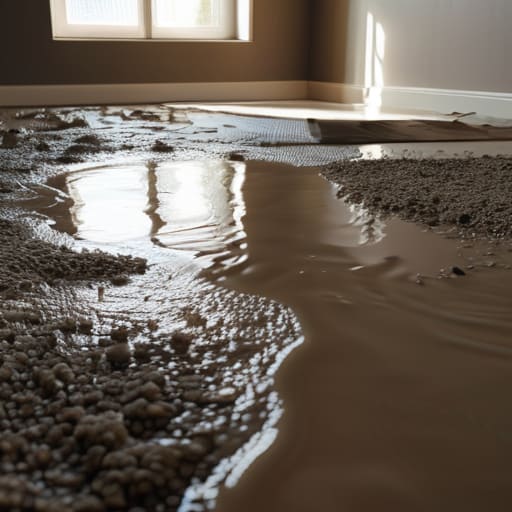
The moment the storm passes or the floodwaters recede, your instinct is to start cleaning. I’ve seen many a well-meaning homeowner throw away a water-logged rug or a silt-covered sofa before I’ve even had a chance to see it. Resist that urge. Before you touch a mop, you need to be thinking about the insurance adjuster inspection process. My job—or rather, the job of the person coming to your door—is to see the damage exactly as it occurred. If you clean up too quickly, you aren’t just being tidy; you are inadvertently destroying the evidence required to justify your loss.
Once you’ve stopped the immediate bleeding—like turning off the mains or boarding a broken window—it is time to begin the formal sequence of filing a claim after a natural disaster. Start by calling your insurer to get a claim number, but do not expect an immediate check. Most people get frustrated by the time it takes, but you must understand that the home insurance claim payout timeline is dictated by the thoroughness of the investigation. Take photos of everything, from the macro view of the street to the micro view of a cracked ceiling tile. You want to provide a report so clear that there is no room for a surveyor to argue the facts later.
Five Hard Truths from the Other Side of the Desk
- Stop trying to “fix” things before the adjuster sees them; I’ve spent thirty years looking at half-repaired drywall and it only makes me wonder what else you’re trying to hide.
- Keep your receipts for every single penny spent on emergency repairs or temporary lodging, because if you can’t prove the cost with a piece of paper, as far as the policy is concerned, it never happened.
- Don’t fall into the trap of “estimate inflation” by guessing what your belongings are worth; if you tell me a sofa is worth five grand and I find a receipt showing you bought it for five hundred, you’ve just lost my trust and likely a significant portion of your claim.
- Read the “Exclusions” section of your policy right now—not when the smoke is still in the air—because knowing whether you’re covered for “gradual seepage” versus “sudden burst” is the difference between a payout and a polite rejection letter.
- Separate your “needs” from your “wants” when talking to the claims handler; tell me what is required to make the property habitable again, and leave the discussions about upgrading to granite countertops for a different conversation entirely.
The Final Word Before the Adjuster Arrives

At the end of the day, a successful claim isn’t built on how loudly you complain about the inconvenience; it’s built on the quality of your paper trail. You’ve learned that you need to document the damage before the cleanup crews arrive, act immediately to mitigate further loss, and—most importantly—keep your emotions separate from the actual facts of the incident. If you can present an adjuster with a clear timeline, dated photographs, and a direct link back to your specific policy wording, you aren’t just a claimant; you are a person who understands the contract they signed. Remember, the goal isn’t to argue your way into a payout, but to provide the evidence that makes a denial impossible.
I know that sitting in the middle of a disaster feels like the world is tilting on its axis, and the last thing you want to do is pore over a Schedule of Insurance. But there is a certain quiet power in knowing exactly where you stand. Insurance won’t fix your house, and it certainly won’t take away the stress of the event, but it is designed to restore your stability if you play by the rules of the contract. Don’t let the chaos of the moment rob you of your rights. Read the fine print now, so that when the dust settles, you can move forward with certainty rather than wondering what might have been.
Once you have the immediate chaos under control, you’ll likely find yourself staring at a mountain of paperwork and wondering if you’ve missed a crucial detail that could jeopardize your entire settlement. I’ve seen too many good claims stumble simply because the policyholder didn’t have a clear grasp of the administrative requirements or the specific local nuances involved. If you find the technicalities of your situation getting a bit overwhelming, I often suggest looking into resources like ao huren to help bridge that gap; having a bit of extra clarity on the logistics can make a significant difference in how you present your case. It isn’t about circumventing the rules, but rather ensuring you are prepared for the scrutiny that inevitably follows a significant loss.