
I remember standing in a semi-submerged semi-detached in Surrey back in ’98, the smell of damp plaster and charred timber thick in the air. The homeowner was a decent man, but he was staring at me with a look of pure betrayal because his entire rebuild estimate was coming in at double his policy limit. He’d been paying his premiums religiously, but he’d never once stopped to consider how valuations should be updated once the cost of timber and skilled labor started climbing. He thought his “market value” was the same as his “rebuild cost,” and that distinction is exactly what was breaking his bank account in that moment.
I’m not here to sell you a fancy surveyor or a subscription service you don’t need. I’ve spent thirty-seven years seeing exactly where the math fails and where the policy wording bites. In this article, I’m going to strip away the jargon and tell you the practical, no-nonsense way to ensure your coverage actually matches reality. I’ll show you how to spot the gaps in your current figures so you aren’t left paying for the wreckage out of your own pocket when the worst happens.
The Silent Payout Killer Why Your Current Valuation Is Wrong
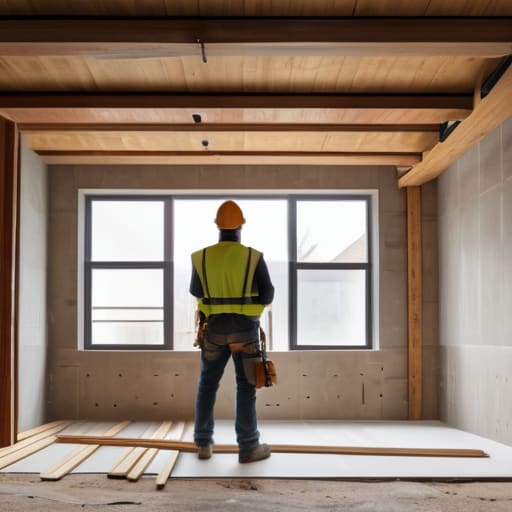
I’ve spent more time than I care to admit standing in the middle of gutted kitchens, looking at a homeowner who is certain they’re covered, only to realize the math simply doesn’t work. Most people make the mistake of confusing what their house is worth on the open market with what it actually costs to rebuild it. If you’re basing your sum insured on a recent sale price from a neighbor, you’re playing a dangerous game. Market value fluctuations are a reality for real estate, but for an insurer, the only number that matters is the replacement cost of every joist, tile, and fixture.
This is where the concept of insurance coverage adequacy falls apart. When you ignore the impact of asset depreciation and appreciation—or more accurately, the rising cost of labor and materials—you aren’t just being frugal; you are effectively self-insuring for the difference. If your policy is stuck in a pre-inflationary era, you are likely looking at a massive shortfall. I’ve seen many a claim where the settlement arrived, the check was signed, and the policyholder realized they were still fifty percent short of the actual rebuild cost.
Market Value Fluctuations and the Danger of Static Numbers
The problem with most people’s approach to insurance is that they treat their property value like a fixed constant, something set in stone the day they signed the mortgage. But the real world doesn’t work that way. We live in a landscape of constant market value fluctuations, where the cost of timber, specialized masonry, or even the labor required to find a decent contractor can swing wildly in a single eighteen-month cycle. If you’re relying on a figure from three years ago, you aren’t just being cautious; you are being mathematically optimistic.
I’ve stood in many a half-rebuilt home where the owner was certain they were covered, only to realize that the actual cost of modern materials had outpaced their policy limits. This is where the concept of asset depreciation and appreciation becomes more than just an accounting headache; it becomes a gap in your financial safety net. Relying on a static number ignores the reality of inflation and the rising cost of construction. To maintain true insurance coverage adequacy, you cannot treat your policy as a “set and forget” document. You have to account for the fact that the world is getting more expensive every time you blink.
Mastering How Valuations Should Be Updated Before Disaster Strikes
Now, I don’t want you to think you need to call a surveyor every time the price of timber goes up, but you cannot treat your policy as a “set and forget” document. The most practical way to handle this is to tie your review to your annual renewal. When that renewal notice lands on your mat, don’t just look at the premium increase and click ‘accept’; look at the sum insured. This is where appraisal renewal importance becomes real. If you’ve added a conservatory, upgraded the kitchen, or even just renovated the bathrooms, your previous figure is now a lie.
I’ve seen too many people rely on a vague sense of what their home is worth, rather than what it would cost to put it back together. For high-value items or complex properties, stop guessing and use professional valuation services. It costs a few hundred pounds now, but it’s a fraction of the loss you’ll take if an adjuster determines you were underinsured. A periodic inventory assessment of your high-end contents—the art, the jewelry, the bespoke fittings—is just as vital. If you aren’t documenting the change in value, you aren’t actually covered; you’re just gambling.
Appraisal Renewal Importance Balancing Asset Depreciation and Appreciation
Most people think of their home or business as a static thing, but the reality is far more fluid. You have to account for the tug-of-war between asset depreciation and appreciation. While your building might be gaining value due to a booming local market, the contents inside—your high-end electronics, designer furniture, or specialized machinery—are likely losing value every single day. If you aren’t looking at both sides of that coin, you’re playing a dangerous game with your insurance coverage adequacy.
This is where the appraisal renewal importance truly hits home. You cannot simply set a number and walk away for a decade. I’ve seen too many claims where the policyholder thought they were covered for “everything,” only to find out that their high-value assets had depreciated into irrelevance, or conversely, that their property had appreciated so much that the sum insured was laughably inadequate. A periodic inventory assessment isn’t just paperwork; it’s the only way to ensure the contract you’re paying for actually matches the reality of what you own.
Professional Valuation Services vs the Cost of Insurance Coverage Adequacy
Now, you’ll hear people suggest you can just “eyeball it” or use a generic online calculator to save a few quid. I spent nearly four decades seeing exactly where that logic fails. While a quick digital estimate might give you a sense of direction, it lacks the nuance required for true insurance coverage adequacy. If you are dealing with high-end finishes, specialized structural elements, or complex commercial assets, a DIY number is a gamble you will likely lose when the claim lands on my desk.
This is where investing in professional valuation services pays for itself, often many times over. A qualified surveyor or valuer doesn’t just look at the square footage; they understand the intricacies of replacement costs that a standard algorithm misses. It isn’t just about the house itself, either; it’s about the precision of the data you provide to the insurer. If you rely on guesswork, you aren’t just saving money on an appraisal—you are effectively self-insuring the gap between your estimate and the reality of the rebuild.
Five Ways to Stop Guessing and Start Covering
- Stop using the price you paid for the house as your rebuild figure. The market value of your home and the cost to physically rebuild it are two entirely different animals; one is what a buyer will pay, the other is what a contractor will charge to clear the debris and lay new bricks.
- Set a recurring date in your calendar for a “policy check-up” every twelve months. Don’t wait for a major renovation to trigger a change; the cost of timber, steel, and skilled labour shifts constantly, and your policy wording won’t magically adjust itself to match the inflation in your local building supply yard.
- Document every major improvement with receipts and before-and-after photos. If you spend fifty thousand pounds on a bespoke kitchen or a structural extension, that isn’t just “home improvement”—it is a fundamental change to the replacement value that must be declared, or you’ll find yourself underinsured the moment a pipe bursts.
- Don’t rely on “estimated” values from online calculators or real estate websites. They are built for sales, not for claims. For a proper valuation, you need a professional who understands the specific cost of materials and labour in your area, because a “ballpark figure” is a useless thing to hold when you’re staring at a claim form.
- Review your contents coverage separately from your buildings coverage. People often get so caught up in the structure that they forget the contents—the furniture, the electronics, the wardrobe—have their own depreciation and replacement cycles. If you haven’t looked at your contents sum insured in three years, you’re almost certainly short.
The Bottom Line Before You File Your Claim
Stop treating your sum insured as a “set and forget” number; if you haven’t looked at your rebuild costs in the last two years, you are almost certainly underinsured and heading for a shortfall.
Understand that there is a massive difference between what your house is worth on the open market and what it actually costs to clear the debris and rebuild it from scratch—insure for the latter, or you’ll be paying the difference yourself.
Don’t rely on a gut feeling or an old bank appraisal; get a professional, dedicated valuation to ensure that when the worst happens, the policy wording works for you rather than against you.
The Final Word on Your Bottom Line
At the end of the day, updating your valuations isn’t some administrative chore to be pushed to the bottom of your to-do list; it is the difference between a claim that fixes your life and one that merely subsidizes a catastrophe. We have looked at why static numbers fail in a shifting market, the necessity of professional appraisals, and how the math of underinsurance works against you when the smoke clears. If you rely on a figure from five years ago, you aren’t just being frugal—you are effectively self-insuring the most expensive portion of your loss. Remember, the policy wording won’t change its mind just because the cost of timber or bricks has doubled since you last checked your paperwork.
I have stood in more ruined dining rooms than I care to count, and the look on a person’s face when they realize their payout won’t cover the rebuild is one I wouldn’t wish on anyone. Insurance is meant to provide a safety net, but that net is only as strong as the numbers you’ve written into the contract. Don’t wait for the disaster to force your hand and turn a manageable setback into a lifelong financial burden. Take the time now to verify your figures against reality, because once the claim is filed, the math is already set in stone.
Frequently Asked Questions
If I update my valuation and my premium goes up, am I actually better off, or am I just paying more for the same level of risk?
You’re paying more for a different level of risk, even if it doesn’t feel like it. If your premium rises because you’ve corrected a valuation, you aren’t just paying more for the “same” coverage; you’re paying to fix a hole in your safety net. A lower premium on an outdated valuation is a false economy. You aren’t saving money; you’re just subsidizing your own future out-of-pocket disaster.
How do I know if my current valuation is based on what the house is worth to a buyer, or what it would actually cost to rebuild it from scratch?
This is the exact question that separates a sensible policyholder from someone who’s going to be short on cash when the dust settles. If you’re looking at Zillow or a recent sale down the street, you’re looking at market value—the price a buyer pays for location, school zones, and curb appeal. But your policy doesn’t care about your neighbor’s garden. It cares about the cost of bricks, mortar, labor, and debris removal. If your figure includes the land, you’re over-insured; if it ignores the rising cost of timber, you’re under-insured. Check your schedule. If it says “Market Value,” put it away. You need the Reinstatement Cost.
Is there a specific trigger or event—like a renovation or a local market shift—that should make me call a professional, or should I just be checking the numbers every year regardless?
Look, checking the numbers annually is good practice, but you shouldn’t wait for a calendar date if life is actually changing. If you’ve added a conservatory, knocked down a wall, or even just finished a high-end kitchen renovation, your previous sum insured is now a fiction. Similarly, if a new development goes up next door or local prices jump, your rebuild costs follow suit. Don’t wait for the claim to prove you’re underinsured.