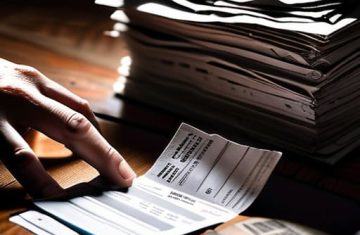
I remember standing in a living room in Surrey back in ’98, the air thick with the acrid, heavy scent of burnt electrical insulation and damp plaster. The homeowner was frantic, waving a handful of crumpled receipts at me like they were holy relics, convinced they’d be set for life. But as I looked at the charred remains of the wiring, I knew his problem wasn’t a lack of paper; it was that he didn’t know how to document damage for insurance claims in a way that actually mattered to the policy wording. He had the receipts, but he lacked the evidentiary link between the cause of loss and the specific items destroyed, and that distinction is where most people lose their shirts.
I’m not here to give you a generic checklist of “take photos and keep receipts” that you can find on any insurance company’s FAQ page. I’ve spent thirty-seven years seeing exactly where the cracks appear in a claim, and I intend to show you how to build a paper trail that is impossible to ignore. I will tell you exactly what an adjuster is looking for when they walk through your door, so you can stop guessing and start proving what you are actually entitled to.
Insurance Claim Photo Evidence Tips the Adjuster Wont Mention
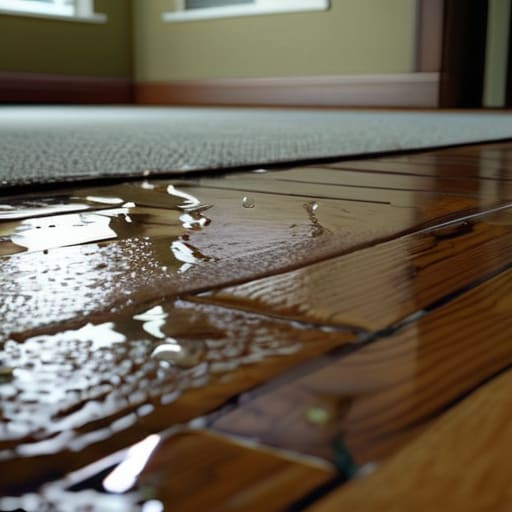
When I was out in the field, I’d often see policyholders presenting a folder of photos that were, quite frankly, useless. They’d take a close-up of a scorched piece of timber, but they’d forget to take a photo of the entire room. Without that context, I can’t tell if that timber is a minor singe or part of a structural failure. You need to provide the “where” and the “how far.” I always suggest starting with a wide-angle shot of the whole area, then moving in closer. If you are documenting water damage for claims, for instance, you must capture the source—the burst pipe or the leaking roof—before you start cleaning up the puddles. If the source is gone, the claim becomes a battle of probabilities, and those are rarely won by the policyholder.
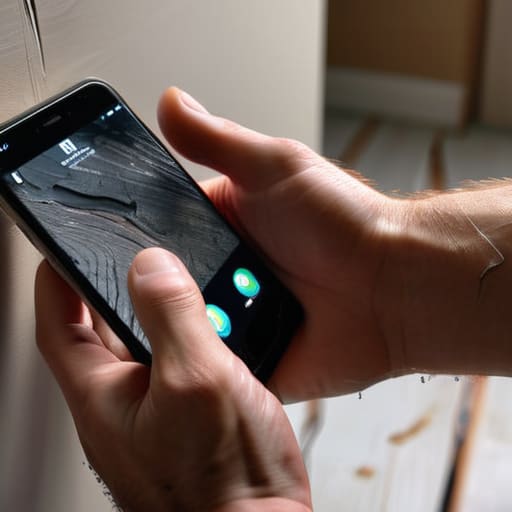
Another thing most people miss is the importance of a video walkthrough for insurance adjusters. A series of still images is a snapshot in time, but a video allows me to see the scale and the spatial relationship between damaged items. Walk through the room slowly. Point at the ceiling, then the floor, then the damp patch on the wall. It provides a continuity that a dozen separate photos simply cannot match. It’s not about being difficult; it’s about providing the unambiguous evidence required to prove that what you’re seeing matches what the policy covers.
Documenting Water Damage for Claims Before the Mold Sets in
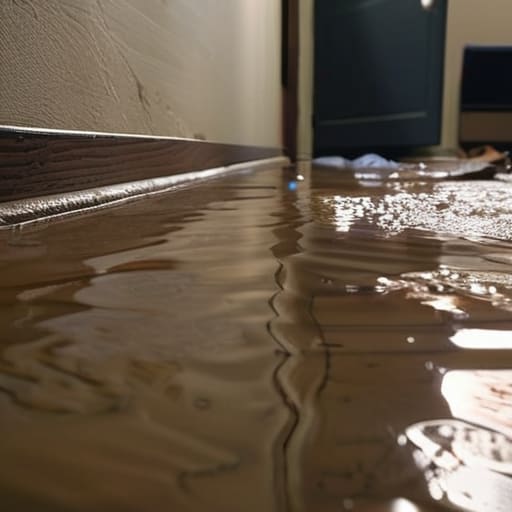
When water hits a building, the clock isn’t just ticking; it’s racing. I’ve stood in enough flooded basements to know that while you’re worried about the ruined carpet, the real enemy is the silent, microscopic growth happening behind the drywall. If you wait three days to start documenting water damage for claims, you aren’t just fighting moisture; you’re fighting a biological takeover that makes everything much harder to value. You need to get in there immediately, before the smell sets in and before the damage becomes a matter of “remediation” rather than simple “repair.”
Don’t just wander around with your phone; you need a method. I always tell people to perform a video walkthrough for insurance adjusters while the water is still visible or the area is still damp. Start at the source—the burst pipe or the rising tide—and move outward. Pan slowly. If you can, capture the sound of the water or the sight of the saturated floorboards. This provides a sense of scale and urgency that a static photo simply cannot convey. Once that’s done, get to work on your list before the mold makes the air too thick to breathe.
The Paper Trail: Five Things You Must Do Before the Adjuster Arrives
- Stop thinking about “pretty” pictures and start thinking about context; a close-up of a cracked tile tells me nothing if I can’t see where it sits in the room, so take wide shots of the entire space first so I can see the scale of the loss.
- Don’t just photograph the damage, photograph the proof of value—if that burnt sideboard was a bespoke piece of mahogany, I need to see the maker’s mark or the receipt, otherwise, I’m stuck valuing it as a generic flat-pack.
- Keep a running log of every single conversation you have with the insurer, including the time, the date, and the name of the person on the other end of the line; when a claim gets disputed six months later, “he said, she said” doesn’t hold up against a dated notebook.
- Avoid the temptation to “clean up” or throw anything away before the inspection is complete; I’ve seen countless claims stalled because a policyholder tossed the faulty appliance or scrubbed the soot away, effectively destroying the very evidence I need to verify the cause of loss.
- Create a digital folder for every single receipt, invoice, and even those small cash outlays for emergency repairs, because underinsurance is a silent killer, and if you can’t prove what you spent to mitigate the damage, the policy wording won’t help you recover it.
The Final Word Before the File Closes
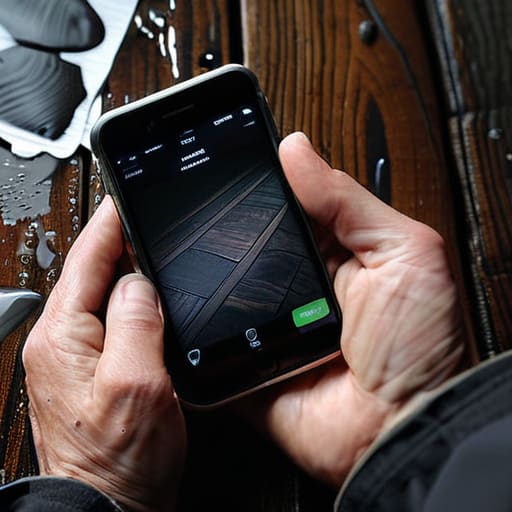
At the end of the day, documentation isn’t about being difficult; it’s about being prepared. You’ve learned that a handful of blurry snapshots won’t cut it when you’re staring down a settlement offer that feels too low. You need the timestamped photos, the detailed inventory of every singed item, and the immediate, granular record of how the water actually moved through your floorboards. Remember, when I sat in a wet living room thirty years ago, I wasn’t looking for your good intentions—I was looking for the physical evidence that matched the specific wording of your policy. If the paper trail isn’t there, the claim effectively doesn’t exist in the eyes of the insurer.
I know it feels overwhelming to be cataloging your misfortune while you’re still reeling from the shock of the loss. It feels clinical, perhaps even a bit cold, to treat your own home like a crime scene. But I promise you, the discipline you show in these first forty-eight hours is what determines whether you spend the next six months fighting for every penny or whether you can actually begin to rebuild. Don’t let the chaos of the disaster dictate the outcome of your claim. Take a breath, grab your camera, and trust the process you’ve built. You aren’t just taking pictures; you are protecting your future.
Now, if you’re feeling a bit overwhelmed by the sheer volume of files and digital images you’re trying to manage, don’t just let them sit in a cluttered camera roll where they’ll be lost when you actually need them. I’ve seen plenty of claims stumble because a policyholder couldn’t produce a specific timestamped photo from three weeks prior. It helps to have a dedicated space to organize these visual records, and if you want to find a more structured way to manage and chat on photopersonals about your documentation methods, it can be a useful way to ensure your digital paper trail remains intact and accessible. You want your evidence to be as organized as a professional adjuster’s file, not a frantic search through a thousand blurry screenshots.