
I remember sitting in a damp driveway three years ago, listening to a man explain how he’d saved forty percent on his premium by installing a little black box, only to find out his claim was being scrutinized because he’d taken a corner a bit too sharply at 11:00 PM. Most of the brochures you see online promise a “complete guide to telematics” that focuses entirely on how much money you’ll save, but they conveniently forget to mention how that same data becomes a magnifying glass for your driving habits. They sell you on the discount, but they don’t tell you how the insurer uses that stream of data to define what “reasonable” behavior actually looks like under your specific policy wording.
I’m not here to sell you on the tech, nor am I here to tell you it’s a scam. What I am going to do is give you a no-nonsense breakdown of how these devices actually function within the legal framework of your insurance contract. I will show you exactly which data points matter, how they influence your coverage, and—most importantly—how to ensure you aren’t trading your privacy for a discount that disappears the moment you actually need to make a claim.
Understanding Complete Guide to Telematics
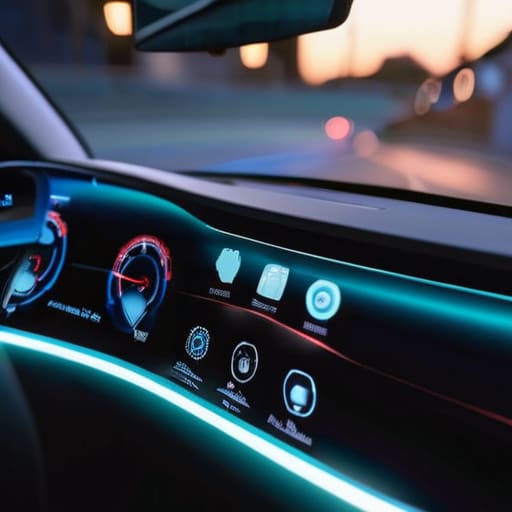
When I started in this business, we judged a driver by how they looked in a mirror or how they spoke on the phone. Now, the industry relies on driver behavior monitoring to do the judging for them. At its simplest, telematics is the marriage of telecommunications and informatics. It involves a device—either plugged into your OBD port or a small box tucked under the dash—that gathers connected vehicle data and beams it back to the insurer. We aren’t just talking about where you went; we are talking about how hard you braked, how fast you took those corners, and whether you’re the type of person who leaves the engine idling in a car park for twenty minutes.
It is important to understand that this isn’t a monolith. While a commercial firm might use it as part of their broader fleet management technology to track assets, for the individual policyholder, it is a constant stream of performance metrics. From my side of the desk, this data is a double-edged sword. It provides an objective record of a journey, which can be vital when a claim is disputed, but it also means the insurer has a granular, mathematical view of your risk profile that no two-page summary can fully capture.
Key Things to Know
The first thing you need to grasp is that this isn’t just about a lower premium. While everyone chases the telematics insurance benefits of a cheaper monthly bill, they often overlook the trade-off. You are essentially trading a degree of privacy for a discount. These systems rely on driver behavior monitoring—measuring your braking, your cornering, and your speed—to build a digital profile of your habits. From my side of the desk, that profile becomes a very permanent record that an insurer can use to justify a rate hike or, more critically, to scrutinize a claim.
Secondly, don’t mistake a simple dashcam for a full suite of technology. We are talking about integrated GPS tracking systems and connected vehicle data that feed information back to the provider in real time. It isn’t just a passive observer; it is a constant stream of evidence. If you have a mishap, the insurer won’t just take your word for what happened; they will look at the data to see if your actions aligned with the terms and conditions you agreed to when you plugged that device in.
Practical Tips and Steps
If you’re going to use these systems, don’t just plug them in and hope for the best. My first piece of advice is to treat the device as a silent witness to your driving. Before you sign that policy, ask exactly what kind of driver behavior monitoring is being recorded. Is it just your speed and braking, or are they looking at time of day and cornering force? You need to know the metric that triggers a premium hike. If you are managing a business, integrating this with your existing fleet management technology is essential, but only if you understand how that data is shared with the underwriters.
Secondly, stop viewing this as a “set and forget” tool. I’ve seen too many people get blindsided by a massive rate increase because they didn’t realize a single week of aggressive driving during a holiday could skew their entire annual profile. Read the data readout regularly. If the system provides real-time vehicle diagnostics, use it to fix mechanical issues before they become “avoidable maintenance” exclusions in a claim. You aren’t just paying for a discount; you are paying for a digital shadow that follows you everywhere.
Common Mistakes to Avoid
The biggest mistake I see—and it’s one that gets people in a world of hurt during a claim—is treating telematics as a mere “discount tool” without understanding the data exchange. People sign up for the lower premium and forget that they are effectively inviting an auditor into their vehicle. If you’re using these systems for driver behavior monitoring to save a few pounds, you must realize that the insurer isn’t just looking at your speed; they are looking at your braking, your cornering, and your acceleration. If a loss occurs and the data shows a pattern of high-risk driving that contradicts your application, you aren’t just looking at a higher premium—you might be looking at a denied claim based on a failure to disclose risk accurately.
Another pitfall is the assumption that all data is created equal. Many drivers think they are just getting basic GPS tracking, but modern systems provide a constant stream of connected vehicle data that can reveal much more than your location. I’ve seen cases where owners of small commercial fleets assumed the tech was purely for efficiency, only to find the insurer was using the diagnostics to flag mechanical neglect. Don’t assume the device is a silent partner; it is a witness. Always read the disclosure clauses to see exactly what is being reported back to the underwriters.
Final Thoughts
At the end of the day, telematics isn’t a magic wand that will automatically lower your premiums or make you a safer driver. It is a tool, and like any tool, its value depends entirely on how it is used and, more importantly, what you agree to in the contract. Whether you are looking at driver behavior monitoring for a single car or implementing complex fleet management technology for a business, the principle remains the same: you are trading data for a potential reduction in cost.
I’ve seen far too many people assume that because they have a device plugged into their port, they are “covered” for everything. That is a dangerous misconception. A device might track your braking or your speed, but it won’t rewrite the fundamental exclusions in your policy. My advice is to look past the marketing gloss regarding the telematics insurance benefits and look directly at the wording. Understand exactly what data is being captured and how it influences your standing with the insurer. Don’t wait until you’re filing a claim to find out that your data profile doesn’t match your expectations.
Five Ways to Keep Your Data from Costing You a Claim
- Read the definition of ‘driver’ in the policy wording. Many people think the telematics box just tracks the car, but if the policy specifies the device is monitoring your specific driving habits and you let a teenager take the wheel for a week, you might find yourself facing a declined claim because the data doesn’t match the named driver on the contract.
- Don’t mistake a lower premium for better cover. A telematics policy is often a narrower contract; you might save fifty quid on the annual premium, but if the insurer has used that data to restrict certain types of usage—like driving for hire or during specific hours—you are trading breadth of protection for a cheaper price tag.
- Understand the ‘black box’ isn’t just a passive observer. It is an active data collector. You need to know exactly what constitutes ‘aggressive driving’ in their specific terms—whether it’s hard braking, cornering, or just being a bit spirited on a Sunday morning—because what you consider safe driving, their algorithm might flag as a high-risk event.
- Check the data retention period. In my thirty-seven years, I’ve seen plenty of disputes where an insurer relies on a data point from six months ago to justify a premium hike or a change in terms. Know how long they keep your telemetry and how that data can be used to re-rate your risk profile long after the initial policy period.
- Treat the device as a condition of cover, not an optional extra. If the telematics unit is a requirement of the policy and it’s tampered with, loses power, or is disconnected, you aren’t just looking at a technical glitch; you are looking at a breach of contract that could leave you standing in a garage with no way to pay for the repairs.
The Bottom Line on Telematics
Don’t mistake a lower premium for a better policy; always check if the data collection changes your coverage terms or gives the insurer more leverage to decline a claim based on your driving habits.
Treat the device like a digital witness that never sleeps, because when you file a claim, the insurer won’t just look at the damage—they’ll look at the telemetry data to see if you were actually following the rules of the contract.
Underinsurance is one thing, but “behavioral underinsurance” is the new risk; if you drive outside the parameters the device expects, you might find yourself paying for a policy that doesn’t actually protect you when it counts.
The Bottom Line on Your Data
At the end of the day, telematics is neither a magic wand for lower premiums nor a spy in your dashboard; it is a data-driven contract. We have covered how these devices track your braking, your speed, and your cornering, and more importantly, how that data becomes the primary evidence used to justify your rate or, in some cases, impact a claim. You must remember that while the potential for savings is real, it comes at the cost of constant surveillance. Don’t sign up for a black box policy without first reading exactly how that data is stored, who it is shared with, and how a single heavy foot on a rainy Tuesday might quietly erode your discount over time.
I have spent nearly four decades looking at the aftermath of claims, and I can tell you that clarity is your best defense against disappointment. Insurance is a game of definitions and disclosures, and telematics adds a whole new layer of digital fine print to that equation. My advice is simple: don’t let the shiny promise of a cheaper monthly bill blind you to the reality of what you are trading away. Approach your coverage with a healthy dose of skepticism and a sharp eye for the wording. If you understand the data you are providing, you won’t be caught off guard when the insurer uses it to make their decision.
Frequently Asked Questions
If I have a single minor incident that doesn't result in a claim, will the telematics data be used as a reason for the insurer to hike my premium at renewal?
Look, I’ve seen plenty of people panic over a single hard brake or a sharp turn, thinking they’ve just handed the insurer a reason to hike the premium. Here’s the reality: a single incident rarely triggers a massive jump, but it does change your risk profile. The insurer isn’t looking for one mistake; they’re looking for patterns. If that one incident is an outlier, you’re likely fine. If it starts looking like a habit, expect that renewal quote to sting.
How much weight does the insurer actually give to the "hard data" from the device versus my previous claims history and personal profile?
Look, I’ve seen plenty of people assume their clean driving record will save them, only to be blindsided by a black box. Here is the reality: your claims history and profile set your baseline—it determines if you’re even worth insuring. But once you opt into telematics, that “hard data” becomes the active lever. The device doesn’t just confirm what you already know; it provides the granular evidence used to adjust your premium in real-time.
If the device malfunctions or provides inaccurate readings of my driving style, what is the formal process for disputing how that data affects my coverage or costs?
First, check your policy wording to see how they define “data accuracy” and what your rights are regarding automated decisions. If the device glitches, don’t just call and complain; you need a paper trail. Formally dispute the data in writing, citing specific instances where the readings were wrong. If they won’t budge, you escalate to the Financial Ombudsman. But remember: the burden of proof often shifts to you once that data is logged.