
I remember standing in a semi-submerged living room in Bristol back in ’94, the smell of damp carpet and scorched electrical wiring thick enough to taste. The homeowner was weeping, clutching a sodden photo album, and asking me why his policy wouldn’t pay for his designer sofa. He’d spent twenty minutes telling me how much he loved the piece, but he hadn’t spent a single second understanding how contents cover works. Most people treat insurance like a magic wand they wave at a disaster, only to find out the wand is made of paper and covered in exclusions. They buy based on the monthly premium and ignore the actual mechanics of the contract until the smoke has cleared and the reality sets in.
I’m not here to sell you a policy or tell you that insurance companies are out to get you. I’ve spent thirty-seven years seeing exactly where the gap lies between what a person thinks they own and what the insurer is legally obligated to replace. In this guide, I’m going to strip away the jargon and show you the practical reality of your coverage. We’ll look at the specific wording that determines your payout, so you can stop guessing and start knowing exactly where you stand before the next crisis hits.
The Illusion of Security How Contents Cover Works in Reality
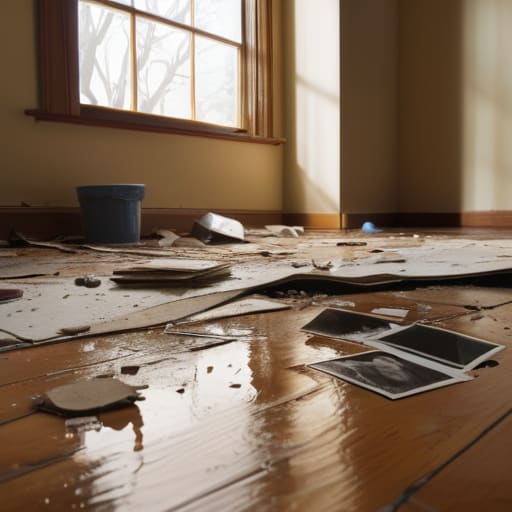
When you sign that renewal notice, you feel a certain sense of relief, as if you’ve essentially bought a safety net for everything you own. But in my experience, that net is often much more porous than the brochure suggests. Most people assume their homeowners insurance personal property coverage is a blanket that covers every gadget, heirloom, and piece of furniture in the house. It isn’t. In reality, the policy operates on a system of limits and categories that most people don’t even realize exist until they are sitting on a floor surrounded by water damage or debris.
The real friction begins when you try to claim for something significant. You’ll find yourself staring at the distinction between unspecified vs specified items, realizing too late that your expensive engagement ring or that high-end mountain bike was never actually “on the list.” Then there is the math that breaks hearts: the difference between replacement cost vs actual cash value. One promises you the money to buy a new version of what you lost; the other merely gives you what your old, depreciated junk was worth on a Tuesday afternoon. That gap is where most claims fall apart.
Unspecified vs Specified Items the Gap Most People Ignore
Now, here is where I see the most avoidable heartache during a claim. Most people assume that because they have a contents policy, everything from their toaster to their engagement ring is covered under one blanket umbrella. That is a dangerous assumption. In the industry, we distinguish between unspecified vs specified items, and if you haven’t made that distinction, you are likely walking a tightrope. Your standard policy covers the “unspecified” items—the everyday stuff like clothes, kitchenware, and furniture—up to a total sum insured. But those items are often subject to single-item limits that are far lower than you think.
If you own a piece of jewelry, a high-end camera, or a designer watch, you cannot simply rely on your general homeowners insurance personal property coverage. If a thief walks out with a £5,000 timepiece and your policy has a £500 single-item limit, you aren’t getting a new watch; you’re getting a very polite letter explaining why the claim is being capped. You have to explicitly list those high-value pieces on your schedule. I’ve seen too many people realize this only when they are sitting in a police station, staring at an empty velvet box, wondering why their “comprehensive” cover isn’t behaving the way they expected.
Replacement Cost vs Actual Cash Value Why Your Payout Shrinks
This is where the math starts to bite. When you’re sitting in a room that’s been gutted by fire or ransacked by thieves, you aren’t thinking about depreciation; you’re thinking about the cost of buying everything back. Most people assume their policy is a magic wand that restores their life to exactly how it was five minutes before the disaster. But if your policy is written on an actual cash value basis, that wand is broken.
Actual cash value takes what a brand-new item would cost and subtracts what your used, slightly battered version was worth the moment before the loss. I’ve seen it dozens of times: a policyholder loses a five-year-old television and expects a brand-new model, only to receive a check that barely covers a budget version from a discount retailer. It feels like a betrayal, but it’s simply what the contract promised. If you want to avoid that sinking feeling, you have to ensure your homeowners insurance personal property coverage is explicitly set to replacement cost. That distinction is the difference between actually rebuilding your life and merely subsidizing your loss.
Theft and Damage Protection What the Policy Actually Covers
When I was out in the field, I saw far too many people assume that “theft and damage protection” was a blanket promise that covered everything from a smashed window to a stolen laptop. It isn’t. Most policies are built on a foundation of specific conditions regarding how the theft occurred. If a burglar smashes your back door, that’s a straightforward claim. But if you leave your expensive camera sitting on the dashboard of your car with the doors unlocked, or if you leave your house wide open while you run to the shops, the insurer isn’t going to be feeling particularly generous. They will look for the “unattended” or “negligence” clauses, and once they find them, your claim is dead in the water.
It is also vital to distinguish between general theft and more nuanced scenarios, like protecting belongings during relocation. Many policyholders assume their cover follows them when they move house, but there is often a significant gap in coverage during the actual transit. If a moving van is broken into, you might find that your standard policy doesn’t extend to goods in a third-party vehicle. You have to check the wording on “property in transit” before you sign that moving contract.
High Value Items and Relocation Protecting Your Most Precious Assets
Now, let’s talk about the things that actually hurt when they go missing—the heirloom watch, the professional camera gear, or that painting you finally decided to hang. Most people assume their standard homeowners insurance personal property coverage will just sort it out, but that is a dangerous assumption. If you haven’t explicitly listed these pieces, you are likely relying on a single sub-limit that won’t even cover half the cost of a replacement. I’ve seen far too many claims where a person thought they were covered for everything, only to find out their insurance coverage for high-value items was capped at a few hundred pounds per item.
The same logic applies when you move house. You might think your policy follows you, but many standard contracts view a change of address as a significant change in risk. If you’re moving, you need to be proactive about protecting belongings during relocation. Don’t wait until the moving van has left and you realize your jewelry box is missing to check the wording. You need to know if your cover extends to transit, or if you’ve just left your most precious assets sitting in a legal vacuum.
Five Things I Wish My Policyholders Knew Before the Claim Was Filed
- Stop guessing your sum insured. I’ve seen too many people insure their contents for £50,000 because that’s what they paid for the house, only to find out their actual belongings are worth £80,000. That’s underinsurance, and when you claim, the insurer will apply the ‘average clause’ to reduce your payout proportionally. If you’re 20% underinsured, they’ll only pay 80% of your loss. Period.
- Keep a digital paper trail, not just a mental one. When I was out in the field, the person who won the claim wasn’t the one who was most upset; it was the one who could produce a photo of the sofa or a PDF of the receipt. If you can’t prove you owned it or what it was worth, you’re relying on an adjuster’s best guess, and you won’t like those odds.
- Read the ‘Exclusions’ section before you read the ‘Benefits.’ Everyone loves reading about what they can claim for, but the real meat of the contract is in what they won’t pay for. Look specifically for wording around ‘gradual deterioration,’ ‘wear and tear,’ or ‘mechanical breakdown.’ If a pipe leaks slowly over six months, that’s often a maintenance issue, not an accidental damage claim.
- Watch your location limits. If you take your high-end camera or your laptop out of the house, check if your policy covers ‘personal possessions away from home.’ Some policies are strictly ‘premises only,’ meaning the second you walk out your front door with that gear, you’re essentially walking around uninsured.
- Understand the difference between ‘Accidental Damage’ and ‘Standard Cover.’ Most basic policies cover fire, theft, and flood, but they won’t cover you if you spill a glass of red wine on your cream carpet or if your child drops a heavy toy on the TV. If you want that peace of mind, you have to ensure ‘Accidental Damage’ is explicitly added to the schedule.
The Adjuster’s Final Word: Three Things to Check Before You File a Claim
Stop assuming “all contents” means everything you own; if you haven’t checked your limits on single items or specified your high-value pieces, you’re essentially self-insuring the most expensive parts of your home.
Understand the math of your payout before the disaster strikes, because if your policy is based on “Actual Cash Value” rather than “New for Old,” you’ll be paying the difference out of your own pocket to replace even basic furniture.
Read the exclusions list now, while your house is still standing, because once the smoke clears or the water recedes, the insurer isn’t going to offer you a sympathetic ear—they’re going to offer you the exact wording of the contract you signed.
The Reality Check
We’ve covered a lot of ground, from the trap of underinsurance to the subtle sting of actual cash value settlements. If you take nothing else away from this, remember that your contents policy is not a magic wand; it is a precise legal document. Whether you are miscalculating the replacement cost of your furniture or failing to specify that heirloom watch, you are essentially building a hole in your own safety net. I have seen too many people stand in a room full of water or soot, clutching a policy they thought was comprehensive, only to realize they bought a promise that didn’t actually cover the reality of their loss. The wording is the only thing that matters when the claim is filed.
At the end of the day, insurance isn’t about being a pessimist; it’s about being prepared. You don’t need to spend your weekends reading every sub-clause, but you do need to spend ten minutes ensuring your sum insured isn’t a fantasy. Don’t wait for the smoke to clear or the locks to be kicked in to find out where your coverage ends. Take the time now to verify your limits and clarify your exclusions, because once the disaster has happened, the conversation is no longer about what you wish was covered, but what the contract actually says. Read the fine print today so you aren’t left reading a decline letter tomorrow.
Frequently Asked Questions
If I've updated my home with new furniture or tech, do I need to call my insurer every single time, or does the policy automatically adjust?
The short answer is: probably not for every single cushion, but you absolutely must check your “sum insured” limit. Most policies cover the total value of your contents, but they aren’t psychic. If you swap a basic sofa for a high-end designer piece or upgrade your tech suite, you might quietly drift into underinsurance. If you’re over your limit when a claim hits, the insurer will apply an average reduction, and you’ll be left footing the difference.
My policy says it covers "accidental damage," but does that actually include things like a wine spill on a rug or a cracked laptop screen?
Don’t get comfortable just because you see those words on the page. In my experience, “accidental damage” is one of the most loosely understood terms in the industry. Whether that wine spill or cracked screen is covered depends entirely on whether you’ve paid for the optional accidental damage extension. Most standard policies cover fire or theft, but they won’t pay for your clumsiness unless you specifically opted in. Check your Schedule; it’ll tell you the truth.
What happens if I'm staying in a holiday rental or a second property—am I still covered for my belongings, or does the cover stay tied to my main address?
This is where the wording gets blunt. Most standard policies are tied to your “permanent residence”—the place where you actually live. If you pack your laptop and a camera and head to a holiday rental, you aren’t automatically covered just because you paid for contents insurance at home. You need to check the “territorial limits” and “temporary absence” clauses. If you haven’t specifically extended your cover for items away from the primary address, you’re essentially walking around uninsured.