
I remember standing in a drafty drawing room in the Cotswolds back in ’94, staring at a water-damaged ceiling that cost more to repair than the owner’s annual salary. The poor man was convinced he was fully covered, but when I asked to see his schedule, the truth came out: he’d been paying for a standard domestic policy, assuming it would naturally extend to his Grade II heritage home. That is the great, expensive myth of the industry—that a “home” is just a “home,” regardless of whether it’s made of modern brick or hand-carved limestone. Most people approach the question of how listed buildings are insured by looking at the monthly premium, but they fail to realize that a standard policy is often little more than a hollow promise when it comes to specialist reconstruction.
I’m not here to sell you a policy or tell you that insurance companies are out to get you. What I will do is tell you exactly what the wording says before the damp sets in or the fire breaks out. I’ll show you why reinstatement cost assessments are your only real defense and how to spot the exclusions that turn a heritage claim into a financial catastrophe.
The Heritage Trap Why Standard Policies Fail Listed Buildings
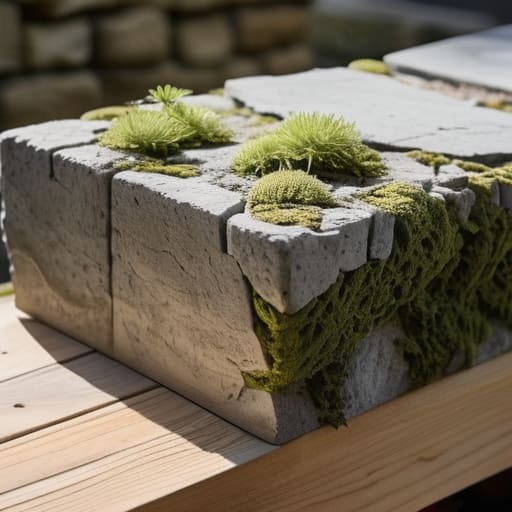
The mistake I see most often isn’t a lack of intent; it’s a lack of awareness. Most people take out a standard home insurance policy, see the premium is reasonable, and assume they are protected. But a standard policy is built for bricks, mortar, and modern timber. It assumes that if a wall collapses, you can go to a local merchant, buy a pallet of modern blocks, and fix it. With a listed building, that logic is a fantasy. You aren’t just repairing a structure; you are navigating listed building repair regulations that dictate exactly how that repair must be executed.
If your policy doesn’t account for the cost of lime mortar, hand-cut stone, or specialist leadwork, you are effectively underinsured from day one. This is where the “heritage trap” snaps shut. When a claim arises, the insurer will offer a settlement based on modern reconstruction costs, leaving you to foot the massive bill for traditional building materials replacement. Without a professional reinstatement cost assessment specifically tailored to heritage requirements, you aren’t buying protection—you’re just buying a very expensive piece of paper that won’t hold up when the surveyor arrives.
The Hidden Math of Specialist Heritage Insurance Coverage
Most people look at their premium, see a number that looks reasonable, and assume they are protected. But in my thirty-seven years, I’ve seen more claims collapse because of math than because of malice. With a listed building, the math is fundamentally different. You aren’t just replacing a roof; you are replacing a roof with hand-cut slates and lime mortar because that is what the law demands. If your policy is based on a standard replacement cost rather than a professional reinstatement cost assessment, you are walking into a trap. You might think you’re covered for £500,000, but when the surveyor arrives and realizes you need traditional building materials replacement to satisfy local authorities, that figure might double overnight.
This is where the “underinsurance” sting happens. It’s not a sudden blow; it’s a slow erosion of your actual value. If your policy doesn’t account for the strict listed building repair regulations that govern your property, the insurer isn’t being mean when they shortchange you—they are simply following the contract you signed. You cannot claim for a modern, cheap fix if planning permission for repairs dictates a specific, costly method. You have to insure for the cost of compliance, not just the cost of a building.
Why Your Reinstatement Cost Assessment Is Often Dead Wrong
I’ve seen it a thousand times: a homeowner gets a surveyor to visit, the professional gives them a figure based on modern construction costs, and the policyholder breathes a sigh of relief. But here is the reality I learned on the job: a standard reinstatement cost assessment is often little more than a work of fiction when applied to a listed property. Most surveyors are trained to calculate what it costs to build a house in 2024, using bricks, mortar, and timber from a local merchant. They aren’t accounting for the fact that if your roof fails, you cannot simply go to a hardware store and buy reclaimed slate or hand-carved oak to satisfy your local conservation officer.
The gap between a “standard” rebuild and a true heritage restoration is where claims go to die. When the policy wording calls for “reinstatement,” it assumes you can actually rebuild. However, between the strict listed building repair regulations and the skyrocketing cost of artisan labor, your sum insured might only cover half of the actual bill. If your assessment didn’t specifically factor in the premium for traditional building materials replacement, you aren’t actually insured; you’re just playing a very expensive game of chance.
The Reality of How Listed Buildings Are Insured Properly
If you want to know how a listed building is actually protected when the worst happens, you have to stop looking at the premium and start looking at the scope of the rebuild. Proper coverage isn’t just about replacing a roof; it’s about the legal obligation to restore that roof using specific, often prohibitively expensive, methods. A competent policy must account for listed building repair regulations that dictate exactly how you must return the structure to its original state. If your insurer hasn’t factored in the necessity of hiring specialist craftsmen or sourcing period-accurate stone, they aren’t providing heritage cover—they’re providing a standard policy with a fancy label.
In my years adjusting claims, I’ve seen far too many owners realize too late that their policy only covers the “functional” repair. If a fire destroys a lath-and-plaster ceiling, a standard policy might pay for drywall; a proper heritage policy pays for the artisan work required to satisfy planning permission for repairs. You aren’t just insuring bricks and mortar; you are insuring the right to rebuild according to the law.
Navigating Listed Building Repair Regulations and Planning Permission
When a pipe bursts or a fire takes hold, your instinct is to fix it immediately. But with a listed property, that instinct can be your undoing. You aren’t just dealing with a contractor; you are dealing with listed building repair regulations that dictate exactly how that damage must be rectified. If you hire a local handyman to slap some modern plaster over a period wall or replace lime mortar with cement, you haven’t just made a bad repair—you’ve potentially breached your policy conditions. I’ve seen claims stalled for months because the policyholder thought they were being “efficient” by using standard materials, only to find the insurer wouldn’t pay for the corrective work required to satisfy the local planning authority.
The friction point is almost always planning permission for repairs. Most standard policies assume a “like-for-like” replacement, but in the heritage world, “like” means something much more expensive than what you’ll find at a hardware store. If the council mandates that you use hand-cut stone or specific timber species to maintain the building’s character, your insurer needs to know that those costs are part of the contract. If your policy doesn’t explicitly account for the legal necessity of following these heritage requirements, you’re left footing the bill for the specialist craftsmanship that the law demands.
Five Things I’ve Learned from Thirty-Seven Years of Seeing the Wrong Paperwork
- Check the “Listed Building Clause” specifically. A standard policy might cover the structure, but if it doesn’t explicitly state it will cover the cost of complying with statutory repair requirements, you’ll be paying for those specialist lime mortars and hand-cut tiles out of your own pocket.
- Stop relying on your local estate agent’s valuation. They look at market value—what a buyer will pay; I look at reinstatement cost—what it actually costs to rebuild using period-correct materials. If those two numbers aren’t aligned, you are underinsured from day one.
- Document your maintenance as if you were preparing for a claim. I’ve seen perfectly good roofs denied because the insurer argued the damage was due to “gradual deterioration” rather than a sudden event. Keep your receipts for specialist repairs; they are your evidence that the building was well-maintained.
- Verify your “Professional Fees” limit. When a listed building is damaged, you aren’t just hiring a builder; you’re hiring heritage architects, conservation officers, and specialist surveyors. If your policy caps professional fees at a standard 10%, you’ll find yourself in a very expensive hole.
- Don’t assume “All Risks” means “Everything.” In my experience, the most dangerous word in a policy is the one you didn’t see. Read the exclusions section specifically for “gradual damage” and “wear and tear,” because in a heritage property, the line between a sudden burst pipe and long-term dampness is where most claims go to die.
The Bottom Line for Your Heritage Asset
Stop treating your listed building like a standard dwelling; if your policy doesn’t explicitly cover the cost of specialist materials and heritage-compliant craftsmanship, you aren’t actually insured for the full rebuild.
A professional Reinstatement Cost Assessment is non-negotiable because “market value” and “reconstruction cost” are two different languages, and getting them confused is the fastest way to end up with a massive shortfall when you file a claim.
Always read the specific exclusions regarding planning permission and local authority requirements; you need to know exactly what the policy expects you to do before the first stone is laid, not while the contractor is waiting for a cheque.
The Bottom Line on Heritage Protection
At the end of the day, insuring a listed building isn’t about finding the cheapest premium; it’s about ensuring the contract actually holds up when the roof falls in. We have looked at why standard policies are a gamble, why your reinstatement costs are likely underestimated, and why the regulatory requirements for repairs can turn a simple claim into a financial catastrophe. If you haven’t checked whether your policy specifically covers specialist materials and heritage craftsmanship, you aren’t truly insured—you’re just hoping for the best. Remember, the most expensive insurance policy is the one that refuses to pay out because you ignored the specificities of the wording.
I have spent nearly four decades seeing the look on a homeowner’s face when they realize their “comprehensive” cover doesn’t include the cost of lime mortar or hand-blown glass. It is a heavy realization, but it is one you can avoid. Don’t wait for a disaster to become an amateur in contract law. Take the time now to read the fine print, verify your rebuild costs, and ensure your insurer understands exactly what they are protecting. Owning a piece of history is a privilege, but protecting that history requires more than just a signature on a renewal notice; it requires a clear-eyed understanding of your risk.
Frequently Asked Questions
If I already have a standard buildings policy, can I simply add a 'listed building rider' or do I need a completely different policy from a specialist provider?
You can’t just slap a sticker on a standard policy and call it a day. I’ve seen people try to “add a rider” to a basic home policy, only to find out during a claim that the wording doesn’t actually cover the specialist stonemasonry or the planning compliance required to fix it. Most standard insurers aren’t equipped for the complexity. You usually need a specialist policy that understands heritage reconstruction from the ground up.
My policy says it covers "reinstatement," but does that actually include the cost of the specialized heritage consultants and planning fees required to get the repairs approved?
That’s the million-dollar question, and the answer depends entirely on how your “reinstatement” clause is drafted. In my experience, a standard reinstatement clause covers the physical bricks, mortar, and timber, but it often stops short of the professional fees required to get those materials approved. If your policy doesn’t explicitly include “professional fees” or “architectural and surveyor costs,” you might find yourself paying out of pocket for the very consultants required to satisfy your local planning authority. Check the definitions section; don’t assume the physical rebuild includes the paperwork.
If a fire damages only a small, historically significant part of my property, will the insurer pay to restore that specific section to its original materials, or will they just try to patch it with modern equivalents?
That depends entirely on whether your policy is written for “reinstatement” or “repair and replacement.” If you have a standard policy, they’ll likely try to patch it with modern equivalents—drywall and laminate—because that’s what the wording allows. But if you’ve secured specialist heritage cover, the policy should mandate the use of like-for-like original materials. Don’t wait for the fire investigator to arrive to find out if your contract covers lime mortar or just cement.