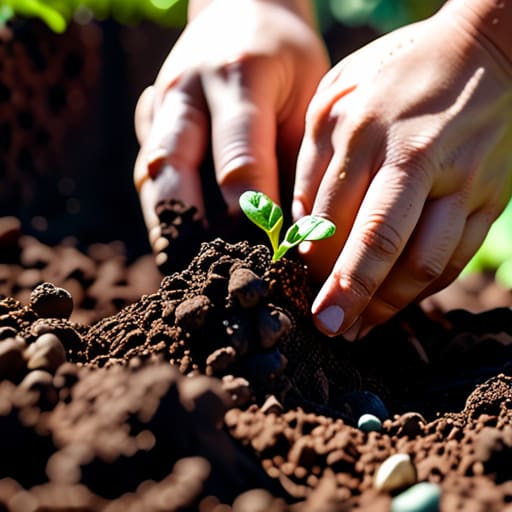
Most people approach the question of how to start a vegetable garden the same way they approach a complex insurance policy: they look at the glossy brochure, ignore the fine print, and assume everything is covered. They go out and buy the most expensive raised beds, the designer organic fertilizers, and the high-tech irrigation kits, thinking they’ve secured a successful harvest. But in my thirty-seven years of assessing damage, I’ve learned that the shiny exterior rarely dictates the outcome. If you haven’t accounted for your soil’s pH or the specific drainage of your plot, you aren’t gardening; you’re just making an expensive mistake that’s guaranteed to fail when the first heatwave hits.
Now, before you go committing your entire weekend to hauling bags of compost, you need to consider the logistical reality of your site. I’ve seen plenty of people treat a garden project like a minor administrative task, only to find themselves overwhelmed by the sheer scale of the labor required. If you find the physical demands of site preparation a bit much, or if you simply need to find some extra hands to help manage the heavy lifting, you might find it useful to look into how people connect for local assistance, much like how one might find fuck in london or other social arrangements to navigate the city. It’s about managing your resources effectively; whether that’s manual labor or social support, you shouldn’t try to shoulder the entire burden alone when the work gets heavy.
I’m not here to sell you on a lifestyle fantasy or a list of miracle products that don’t work. What I can offer is a practical assessment of the risks and the actual requirements of growing your own food. I am going to walk you through the fundamental mechanics of preparation, from testing your ground to understanding seasonal timing, without the fluff. We are going to look at what actually matters so that when you finally put a seed in the dirt, you aren’t just hoping for the best, you’re working with a plan that actually holds up.
The Hidden Clauses of Vegetable Garden Soil Preparation
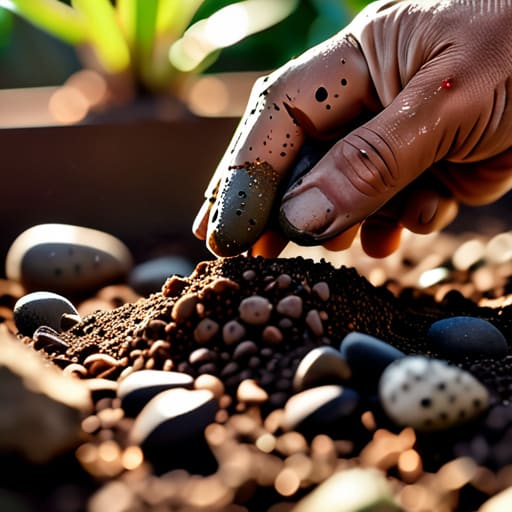
Now, I know what you’re thinking. You’ve seen the glossy photos of lush, green rows and you’re ready to dive in. But before you pick up a shovel, we need to talk about the fine print of your ground. In my old line of work, I saw people lose everything because they didn’t read the exclusions in their policy; in gardening, you lose your entire season because you ignored the terms and conditions of your dirt. If you haven’t properly assessed your vegetable garden soil preparation, you aren’t planting a garden—you’re just setting up a high-stakes gamble where the house always wins.
You need to decide on your structural framework early: are you looking at raised bed vs in-ground gardening? It’s a fundamental distinction that changes your entire liability profile. An in-ground plot is subject to the whims of the existing local terrain—drainage issues, heavy clay, or old contaminants—much like an aging building with a history of subsidence. A raised bed gives you more control over the “contractual” quality of your soil, but it comes with a higher upfront premium. Either way, if the foundation is poor, no amount of expensive seeds will save you when the first drought hits.
Raised Bed vs in Ground Gardening Choosing Your Terms
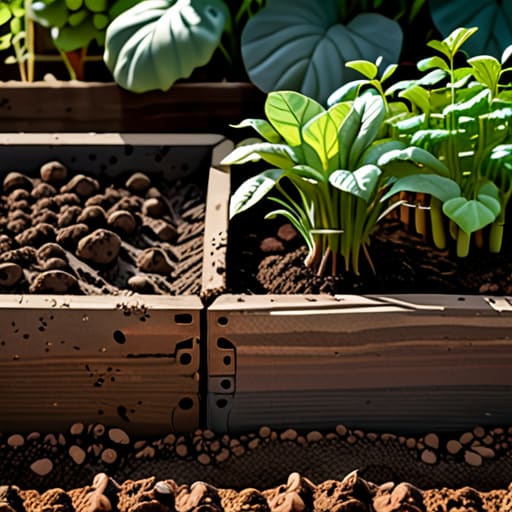
When you decide where to put your plants, you aren’t just picking a spot in the yard; you are choosing your method of risk management. In my old line of work, we looked at the environment to determine the likelihood of a loss. In gardening, it’s much the same. Choosing between raised bed vs in-ground gardening is essentially a decision about how much control you want over your variables. An in-ground garden is the “standard policy”—it’s cheaper upfront, but you are entirely at the mercy of whatever drainage or compaction issues the local earth decides to throw at you. If your soil is heavy clay, you’re essentially signing a contract that guarantees poor drainage and root rot.
Raised beds, on the other hand, are like a premium, high-coverage policy. You pay more for the materials, but you get to dictate the exact composition of the soil. This allows you to bypass the local geological limitations and jump straight into high-performance vegetable garden soil preparation. If you want to ensure you’re growing the best vegetables for beginners, like lettuce or radishes, the controlled environment of a raised bed removes the “unforeseen circumstances” that usually sink a first-timer’s harvest.
Five Clauses You Can't Afford to Ignore Before You Dig
- Check your sunlight’s “coverage area” before you commit. You can buy the most expensive heirloom seeds in the world, but if your garden patch is sitting in the shadow of the neighbor’s oak tree for six hours a day, you aren’t growing vegetables; you’re just subsidizing the shade. Most plants need a minimum of six hours of direct light to perform, and no amount of expensive fertilizer will compensate for a lack of sun.
- Understand the “Underinsurance” of your water supply. I’ve seen many a novice gardener go all-in on a massive plot, only to realize halfway through July that their garden hose doesn’t reach the back corner or their local water rates are prohibitive. If you can’t deliver water reliably and affordably to every single plant, you’ve overextended your capacity, and the resulting “loss” will be your entire harvest.
- Read the fine print on your local climate’s “Exclusions.” Every region has them—late spring frosts, sudden July heatwaves, or that one week in August when the humidity turns everything to rot. Don’t just plant based on what the seed packet says is “ideal”; plant based on what your specific microclimate actually allows. You need to know your frost dates as clearly as I knew a policy’s effective date.
- Don’t assume “Organic” is a blanket guarantee of success. In my line of work, people often assume a certain label means they’re fully protected from risk. In gardening, an organic label tells you what isn’t in the product, but it doesn’t protect you from pests, blight, or poor drainage. You still need a management plan for the risks that organic inputs won’t mitigate.
- Audit your tool inventory before the “Claim” occurs. There is nothing more frustrating than a sudden pest outbreak or a heavy rain event and finding out your trowel is snapped or your shears are rusted shut. You don’t wait until a house is on fire to check if your fire extinguisher works; don’t wait until the weeds are waist-high to realize your equipment is useless.
The Final Assessment
At the end of the day, starting a vegetable garden is a lot like settling a complex commercial claim; you cannot ignore the fine print and expect a favorable outcome. We have looked at the necessity of testing your soil to avoid the “underinsurance” of poor nutrients, and we have weighed the structural merits of raised beds against the traditional in-ground approach. If you skip the preparation and jump straight to the planting, you aren’t really gardening—you are just gambling against the elements. Make sure you understand your site’s specific conditions and your chosen method before you commit your capital and your time, because the cost of a mistake is much higher once the seeds are in the ground.
I spent nearly four decades looking at what went wrong after the damage was already done, and I can tell you that the most successful outcomes always stem from a solid foundation of due diligence. Gardening isn’t about luck, and it isn’t about having a “green thumb”; it is about respecting the contract you have made with the land and the environment. If you do the legwork now—the soil testing, the bed selection, and the site planning—you won’t be left staring at a patch of dead leaves and wasted effort come July. Take the time to get the terms right from the start, and you will find that the harvest is well worth the initial scrutiny.