I remember standing in a kitchen in mid-July, the air thick with the cloying, sweet scent of stagnant water and scorched electrical wiring. A homeowner was frantically scrubbing soot off his granite countertops with a sponge, thinking he was being helpful. I had to stop him, quite firmly, because he was effectively destroying the only reason I had to approve his claim. Most people think that being “tidy” is part of the process, but in my thirty-seven years, I’ve seen more claims stumble because of a well-intentioned cleanup than because of actual fraud. They don’t realize that how evidence should be preserved isn’t about keeping things neat; it’s about protecting the physical truth of the loss before it’s scrubbed away.
I’m not going to give you a lecture on professional forensics or tell you to hire a private investigator. Instead, I’m going to tell you exactly what I looked for when I stepped through a front door after a disaster. I will show you how to document your loss in a way that leaves zero room for doubt when the adjuster arrives. This is the practical, unvarnished reality of what actually matters to the person holding the chequebook.
Understanding How Evidence Should Be Preserved
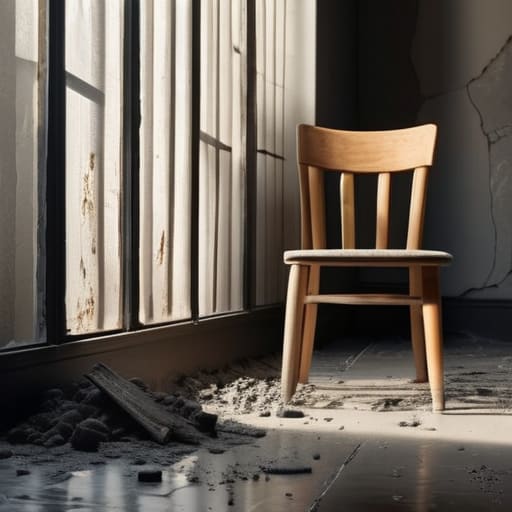
When I walked onto a site after a major loss, the first thing I looked for wasn’t the damage itself, but how the owner had treated it. Most people think “preserving evidence” means putting a tarp over a hole in the roof. It doesn’t. It means leaving the scene exactly as it was found. The moment you start a cleanup crew or move a charred piece of furniture to make room for a guest, you are compromising the maintaining integrity of physical evidence. You aren’t just tidying up; you are inadvertently destroying the very data I need to prove your loss meets the policy definition.
You also need to think about the “who” and the “how.” If you do decide to move something for safety reasons, you must start documenting evidence collection immediately. Note the time, the reason, and who moved it. Without a clear record, an insurer’s legal team can argue that the scene was tampered with, creating a gap in the chain of custody protocols that makes the entire claim look suspicious. It’s not about being difficult; it’s about ensuring that what you saw is exactly what I can verify.
Key Things to Know
First, you need to understand that an adjuster isn’t looking for a story; we are looking for facts that can be verified. If you’ve had a burst pipe or a kitchen fire, your instinct is to mop up the water or clear the charred remains to get your life back to normal. Stop right there. By cleaning up, you are effectively destroying the forensic evidence handling process we need to follow. If I can’t see the exact point of origin or the way the water migrated across a floorboard, I can’t confirm the cause, and if I can’t confirm the cause, I can’t confirm the coverage.
Second, keep a meticulous log of everything you do. I’ve seen many claims stumble not because the loss wasn’t real, but because the policyholder couldn’t prove the sequence of events. Start documenting evidence collection immediately—take photos from multiple angles, before and after you move anything, and keep a simple written diary of who saw what and when. If you do end up moving something for safety reasons, note it down. You aren’t just tidying up; you are building the foundation of your claim.
Practical Tips and Steps
First, stop thinking like a homeowner and start thinking like a curator. If a pipe bursts, your instinct is to grab the mop and clear the standing water; my instinct is to tell you to put the mop down. Every time you move a water-damaged rug or scrub a soot-stained wall, you are interfering with forensic evidence handling. Instead, grab your phone. Take photos from every angle—wide shots to show the room, and close-ups to show the source. I’ve seen claims denied not because the loss wasn’t real, but because the claimant accidentally “cleaned away” the very proof I needed to verify the cause of loss.
Once you’ve documented the scene, focus on the small stuff. If a specific component failed—say, a charred circuit breaker—place it in a clean, dry container. Do not toss it in a bin with other debris. You need to focus on maintaining the integrity of physical evidence so that when a specialist arrives, they aren’t looking at a contaminated sample. If you can, keep a simple log of who touched what and when. It sounds overkill, but establishing a basic mental version of chain of custody protocols prevents the insurer from arguing that the evidence was tampered with after the fact.
Common Mistakes to Avoid
The biggest mistake I see—and it’s one that breaks my heart because it’s so preventable—is the “cleaning impulse.” After a burst pipe or a kitchen fire, your first instinct is to mop up the water or throw away the charred remains to “get things back to normal.” Stop right there. When you toss a damaged item into a skip, you aren’t just tidying up; you are effectively destroying the only proof I have to validate your loss. Without that physical item, I can’t verify the cause of loss, and if I can’t verify it, I can’t pay it.
Another trap is the lack of a paper trail. People often assume that a quick photo on a smartphone is enough, but they fail at documenting evidence collection in a way that holds up under scrutiny. If you move a piece of debris or a broken appliance without recording exactly where it was found and when, you’ve compromised the maintaining integrity of physical evidence. In my experience, if you can’t show a clear, logical path from the incident to the item in question, an insurer has every right to question the validity of the entire claim.
Final Thoughts
At the end of the day, I don’t care how much you dislike the insurer or how much you feel the loss has disrupted your life. The reality is that a claim is won or lost on the strength of the facts you present. If you can’t prove it happened the way you say it did, the most sympathetic adjuster in the world can’t help you. You have to treat your property like a crime scene, even if it’s just a flooded kitchen or a burnt-out garage.
Focus on documenting evidence collection as you go. It isn’t enough to just take a few blurry photos on a smartphone; you need to be methodical. If you fail to respect the maintaining integrity of physical evidence, you aren’t just making my job harder—you are actively undermining your own right to a payout. Keep your head clear, stay organized, and remember that the policy doesn’t care about your intentions; it only cares about what can be proven.
Five Hard Lessons from Thirty-Seven Years of Inspecting Damage
- Stop the cleanup immediately. I know the smell of smoke or the sight of a burst pipe is unbearable, but the moment you hire a contractor to rip out sodden carpets or charred drywall, you are destroying the scene I need to see to verify your claim.
- Document the “before” with more than just a glance. If you haven’t updated your home inventory recently, take high-resolution photos of your rooms and high-value items now; it is much harder to prove a bespoke sideboard existed once it’s been reduced to ash.
- Secure the digital trail. If a theft or a cyber-related loss occurred, don’t just wipe the device or reset the router; those logs are the only thing that separates a “suspicious event” from a “verifiable loss” in the eyes of a claims handler.
- Keep the physical debris, even the ugly bits. If a machine failed or a component melted, put it in a box and set it aside. A broken part is a piece of evidence, but a part that’s been thrown in the skip is a lost opportunity to prove liability.
- Log every conversation as it happens. When you call your broker or the insurer, write down the time, the name of the person you spoke to, and exactly what they promised. In my experience, “he said, she said” is a very quick way to find yourself staring at an unexplained declination.
The Bottom Line Before You Call Your Broker
Stop cleaning up immediately; your instinct to tidy the mess is the quickest way to destroy the physical proof I need to verify your claim.
Documentation is more than just a photo; it’s a chronological record of what happened, and if you can’t prove the timeline, the wording of your policy won’t save you.
Remember that an insurance policy is a legal contract, not a handshake agreement, so treat every piece of evidence like it’s being prepared for a courtroom.
The Bottom Line on Your Evidence
At the end of the day, preserving evidence isn’t about being difficult or slowing down the recovery process; it is about protecting your right to be indemnified. You have to remember that an adjuster isn’t looking for a reason to say “no”—they are looking for the verifiable facts that allow them to say “yes.” If you’ve cleaned up the debris, tossed the damaged electronics, or repaired the burst pipe before I’ve had a chance to see it, you haven’t just tidied up; you’ve effectively erased the proof required to settle the claim. Keep your photos, keep your receipts, and for heaven’s sake, leave the physical damage exactly as it was found until the paperwork catches up with the reality.
I know it feels counterintuitive to stand in the middle of a disaster zone looking at a pile of ruined property instead of fixing it, but that is exactly what the contract requires of you. Insurance is a business of technicalities, and while it can feel cold, the most successful claims are always the ones built on a foundation of indisputable facts. Don’t let a well-intentioned attempt at tidiness become the reason your claim is declined or significantly reduced. Treat your evidence with the same respect you treat your policy wording, and you’ll find that the process, while often frustrating, becomes a much smoother path toward getting back on your feet.
Frequently Asked Questions
If the damage is so severe that I can't safely stay in the building, what is the absolute minimum I need to do to protect my claim before the fire brigade or cleaners arrive?
If the structure is unsound, get out. No piece of property is worth your life. But before you step over that threshold, take your phone and film a continuous, slow walkthrough of the damage. Don’t just snap photos of the charred sofa; film the ceiling, the electrical panel, and the extent of the smoke staining. That video is your primary witness. Once you’re safe, the footage speaks louder than any memory when the adjuster arrives.
Does taking a hundred photos on my smartphone actually count as "preserving evidence," or do I need something more formal to satisfy an adjuster?
A hundred photos are a start, but they aren’t a complete file. A smartphone photo tells me what the damage looks like, but it doesn’t tell me how the damage happened or what the original condition was. You need more than just “pretty pictures.” I want to see the serial numbers, the underside of the charred joist, and the receipts for the items lost. Photos capture the scene; documentation captures the value. Without the latter, you’re just a person with a full camera roll and an empty bank account.
If I've already thrown away a damaged item because it was a health hazard or taking up space, is my claim automatically dead in the water?
Not necessarily, but you’ve just made my job significantly harder. A claim isn’t “dead,” but the burden of proof has shifted entirely onto you. Without the physical item, I can’t verify the cause of loss or the extent of the damage. You’ll need a paper trail to compensate: photos, videos, receipts, or even a professional disposal report. If you can’t prove it existed and how it broke, the insurer has a very strong argument to decline.