
I can still smell the damp rot and burnt timber from a mid-sized warehouse fire I investigated back in ’94. I was standing in six inches of standing water, staring at a charred structural beam, while a frantic owner screamed that he was “fully covered.” He wasn’t. He had bought the cheapest premium available, never bothered to check his reinstatement values, and now he was discovering that how buildings cover works isn’t about the sticker price on your renewal notice; it’s about the specific, granular definitions of what constitutes a “loss.”
I’m not here to sell you a policy or tell you that every insurance company is out to get you. I’ve spent thirty-seven years on the other side of the desk, and I’ve seen enough unpleasant surprises to last a lifetime. In this guide, I am going to strip away the industry jargon and show you the reality of the contract. I’ll explain the mechanics of a claim, the danger of underinsurance, and exactly which clauses actually matter when the worst happens. You’ll learn how buildings cover works from someone who has actually had to read the fine print in the dark.
Understanding How Buildings Cover Works
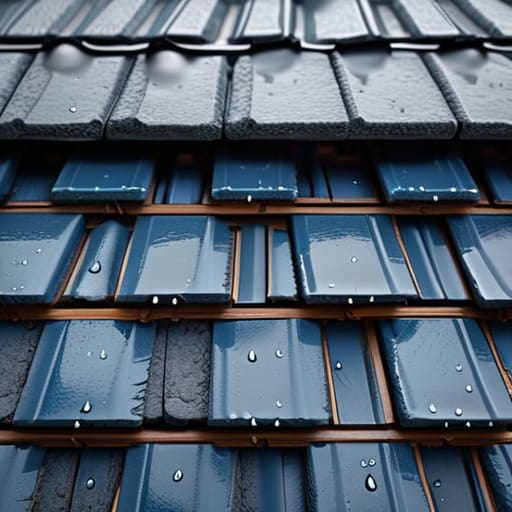
When I started out, I learned quickly that people tend to view their home as a collection of rooms, but an insurer views it as a shell. To understand the mechanics of a claim, you have to look at the property as a series of layers designed for structural protection from the elements. If a storm rips through your property, the adjuster isn’t just looking at the broken window; we are looking at whether the failure started with the roof tiles or the underlying membrane.
In my experience, many policyholders are blindsided when a claim is denied because they didn’t realize their “cover” was contingent on the maintenance of the building’s exterior. This is where the concept of protective building skins becomes vital. Whether it is the integrity of your brickwork or the way your exterior cladding functions to shed water, the policy assumes these systems are in good working order. If a leak occurs because a seal has perished due to age rather than a sudden event, you aren’t looking at a covered peril; you’re looking at a maintenance issue that the policy simply wasn’t designed to fix.
Key Things to Know
First, we need to talk about the physical reality of what you are actually insuring. When I walked onto a site after a storm, I wasn’t just looking at bricks and mortar; I was looking at the integrity of the building envelope systems explained in your policy documents. If your policy is written broadly, it covers the shell, but if it’s a specialized or high-end commercial policy, the wording might get very specific about exterior cladding functions. You need to know if your cover extends to the sophisticated layers that keep the moisture out, or if a failure in a decorative facade is going to be treated as a maintenance issue rather than a sudden loss.
Second, pay close attention to the distinction between wear and tear and sudden damage. Most people assume they have total structural protection from elements, but if a leak is caused by a slow degradation of your protective building skins over five years, an adjuster is going to point straight to the “gradual deterioration” exclusion. It isn’t about whether the damage is real—it’s about whether the cause of loss matches the specific definitions of peril listed in your contract.
Practical Tips and Steps
First, stop treating your policy document like a piece of junk mail. I’ve seen too many people walk into a claim thinking they are covered for “everything,” only to find out they’ve neglected the specifics of their protective building skins. Every few years, take a walk around your property with a notebook. Don’t just look for cracks; look at the integrity of your exterior. If you have modern materials, you need to understand the basics of weatherproofing building structures—if your cladding is failing due to poor maintenance rather than a sudden event, don’t expect the insurer to pick up the tab for your negligence.
Second, keep a “maintenance log” as if it were a legal ledger. When a claim arises, the first thing an adjuster like me asks isn’t just “what happened,” but “how was this kept up?” If you can prove you’ve been proactive about your structural protection from elements, you remove the insurer’s easiest way to deny a claim based on wear and tear. Documentation is your best defense against a settlement that feels unfairly low.
Common Mistakes to Avoid
The biggest mistake I see isn’t a lack of insurance, but a lack of understanding regarding what actually constitutes the “structure.” People often assume their policy is a catch-all for everything from the foundation to the chimney, but they overlook the nuances of weatherproofing building structures. If you have a leak, you need to know if the damage is caused by a sudden, accidental event or by gradual deterioration. Most policies won’t pay a penny for a slow seep that’s been rotting your timber for three years. In my experience, the insurer isn’t being mean; they are simply adhering to the definition of “proximate cause” written into your contract.
Another trap is neglecting the complexities of your property’s exterior. Many homeowners don’t realize that their policy might treat different components of the protective building skins with varying levels of scrutiny. If you’ve had recent upgrades to your cladding or specialized glazing, and you haven’t updated your sum insured, you are walking into a trap. You might think you’re fully covered, but when a claim arises, you’ll find yourself facing a massive underinsurance penalty because the replacement cost of modern materials far exceeds your old policy limits.
Final Thoughts
At the end of the day, an insurance policy isn’t a safety net made of silk; it’s a technical contract built on specific definitions. I’ve spent far too many afternoons standing in the debris of a claim, listening to homeowners realize that their “comprehensive” policy had a massive hole right where they needed it most. It isn’t enough to just have a piece of paper in a drawer. You have to understand the relationship between your physical property and the language in that document.
If you want to sleep soundly, stop looking at the premium and start looking at the definitions of your assets. This means understanding how your protective building skins are described and whether your policy actually accounts for the complex reality of modern construction. For instance, if you have a high-end property, you need to ensure your coverage acknowledges the nuances of weatherproofing building structures and the specific materials used. Don’t wait for a storm to find out your policy treats a bespoke facade as a standard brick wall. Read the wording now, because once the damage is done, the words on the page are the only things that matter.
Five things I wish my claimants knew before the smoke cleared
- Check your sum insured against the rebuild cost, not the market value. I’ve seen too many people assume that because their house is worth £500,000 on the open market, they are covered. If it costs £600,000 to actually rebuild it from the ground up after a fire, you are underinsured, and the insurer will apply “average” to your payout, leaving you to foot the massive difference.
- Read the definition of “accidental damage” in your specific wording. Some people think they’re covered if they drop a heavy object through a window, only to find their policy only covers “perils” like fire and theft. If you haven’t specifically added accidental damage, that broken pane is coming out of your own pocket.
- Don’t ignore the maintenance exclusions. If a leak happens because a pipe burst due to a sudden freeze, that’s one thing. If it happens because a seal has been perished for five years and you neglected it, the adjuster is going to point straight to the “gradual deterioration” clause and decline the claim.
- Understand the difference between “new for old” and “indemnity” replacement. If your policy is indemnity-based, they aren’t going to give you a brand-new version of your ten-year-old sofa; they’ll give you the cash value of a ten-year-old sofa. Always look for “new for old” if you want to be truly made whole.
- Keep a digital paper trail of your home improvements. If you’ve added an extension or a conservatory and didn’t tell the insurer, you haven’t just made a mistake—you’ve potentially breached the “duty of fair presentation.” In my experience, that is the quickest way to turn a valid claim into a non-starter.
The Bottom Line Before You File a Claim
Stop looking at the premium and start looking at the sum insured; if you haven’t accounted for the actual cost of rebuilding from scratch, you aren’t covered, you’re just gambling.
An exclusion isn’t a suggestion, it’s a hard line in the sand—read the specific wording on maintenance and wear-and-tear now, because no adjuster is going to argue with you once the damage is done.
Documentation is your only real currency in a claim; keep your receipts and proof of upkeep in order, because “I think it was covered” carries zero weight when I’m standing in a ruin looking at your policy.
The Reality of the Contract
At the end of the day, buildings insurance isn’t a safety net made of silk; it is a legal contract built on specific definitions and strict boundaries. We have discussed the necessity of accurate sum insured values to avoid the trap of underinsurance, the importance of scrutinizing those pesky exclusions, and the reality that what you don’t read is often more important than what you do. You cannot walk into a claim expecting the insurer to fill the gaps left by your own assumptions. If you haven’t checked your policy against the actual replacement cost of your structure, you are essentially betting against yourself before the first brick is even laid.
I have spent nearly four decades standing in the ruins of what people thought was “fully covered,” only to find they had ignored the fine print. My advice isn’t meant to make you cynical, but to make you prepared. Insurance is a tool, and like any tool, it only works if you understand its limitations before you pick it up in an emergency. Don’t wait for the smoke to clear or the floodwaters to recede to find out where your protection ends. Take the time now to know your wording, because the most expensive mistake you can make is assuming you are covered when you are not.
Frequently Asked Questions
If I’ve recently done some renovations, do I need to tell my insurer immediately, or does the policy automatically adjust for the new value?
You don’t wait for the policy to catch up; you tell them yourself. If you’ve added a new extension or even just a high-end kitchen renovation, your previous sum insured is likely obsolete. Most policies do not automatically adjust for improvements. If you don’t notify them, you’re effectively underinsured. Should a claim occur, the insurer will apply the principle of average, and you’ll find your payout slashed proportionally to the value you failed to disclose.
What is the actual difference between "new for old" replacement and being paid the "indemnity value" of my belongings?
Here is the crux of it: “New for old” means if your five-year-old television is stolen, the insurer buys you a brand-new equivalent. It’s convenient, but it’s a premium feature. “Indemnity value,” however, is the old-school way. They calculate what that five-year-old TV is actually worth today—factoring in wear and tear—and hand you a cheque for that depreciated amount. One replaces the item; the other just compensates for the loss. Check your wording.
Does my building insurance cover the cost of temporary accommodation if my home becomes uninhabitable after a fire or flood?
Before I ask how the fire started or how much water is on your floor, I need you to go find your policy schedule. Don’t look at the brochure; look at the actual contract. Most decent policies include “Loss of Rent” or “Alternative Accommodation” cover, but it isn’t a universal guarantee. You need to check if there’s a specific limit—a cap on the number of days or the total pound amount—because once that’s hit, you’re on your own.