
I’ve spent thirty-seven years walking through the wreckage of people’s lives, usually standing in a damp living room or a scorched kitchen, trying to figure out why the policy didn’t cover the disaster. Most people approach the idea of “the art of slow living at home” like they approach an insurance premium: they buy into the glossy, expensive lifestyle magazines, thinking that if they just purchase the right linen curtains or a specific brand of ceramic teapot, they’ve somehow mitigated the risk of burnout. It’s a fundamental misunderstanding of the contract. You can’t buy your way into a calm existence any more than you can buy your way out of a bad deductible; slow living isn’t a product you add to your inventory, it’s how you manage the underlying risks of a frantic life.
I’m not here to sell you a curated aesthetic or a list of overpriced trinkets to fill your shelves. I’m going to give you the unvarnished truth about how to actually slow down, based on what I’ve observed when the noise finally stops and the real work begins. We are going to look at the practicalities of reducing the friction in your daily routine and, more importantly, how to stop treating your home like a high-stakes liability that needs constant, frantic management.
Why Intentional Living at Home Is Your Only Real Protection
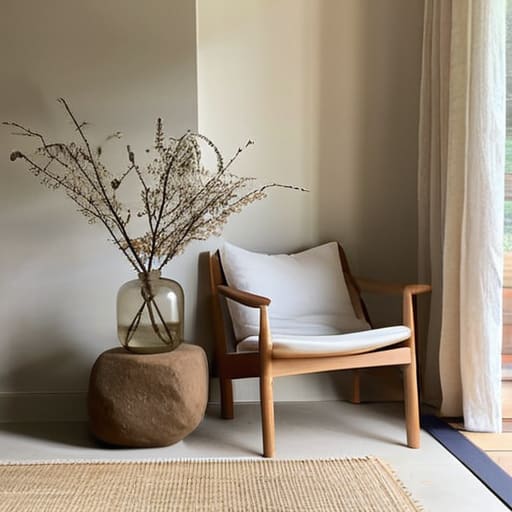
In my thirty-seven years of assessing damage, I’ve learned that most people treat their homes like a storage unit for things they thought they needed at the time. They accumulate clutter, gadgets, and “must-have” decor, only to realize later that their living space has become a liability to their own peace of mind. When I walk into a house that has been neglected, I don’t just see physical mess; I see a lack of boundaries. Intentional living at home is essentially your personal risk management strategy. If you don’t decide what belongs in your space, the chaos will decide for you, and once that environment becomes overwhelming, it’s much harder to reclaim.
Think of it this way: you wouldn’t leave your front door wide open and expect your belongings to stay safe. Why do we leave our mental well-being unprotected by surrounding ourselves with constant, unmanaged noise? By adopting slow living lifestyle habits, such as practicing minimalist home organization, you aren’t just tidying up; you are setting the terms of your environment. You are ensuring that your home serves its primary purpose—to be a place of stability—rather than becoming another source of unexpected stress.
The Cost of Clutter Minimalist Home Organization as a Defense
I’ve spent enough time standing in the middle of smoke-damaged living rooms to know that clutter isn’t just an aesthetic nuisance; it is a liability. When a fire starts or a pipe bursts, a room filled with “stuff” becomes a fuel source or a barrier to emergency services. People often mistake accumulation for security, but in my experience, a house packed with unnecessary items is simply a house with increased exposure. If you want to practice minimalist home organization, don’t do it just to look good on a magazine cover. Do it because a clear space reduces the complexity of a loss.
True slow living lifestyle habits involve auditing what you actually own and what you are merely storing. When you strip away the excess, you aren’t just creating a peaceful sanctuary; you are reducing the total sum insured that you have to worry about. I have seen too many claims where the policyholder was significantly underinsured because they couldn’t accurately account for the sheer volume of possessions cluttering their hallways. Simplify your inventory before the disaster does it for you.
The fine print of a peaceful home: Five ways to mitigate the chaos
- Audit your belongings like a pre-loss inspection. Don’t just move things from one cupboard to another; if an object serves no purpose and offers no utility, it is simply a liability waiting to create clutter. A house full of “just in case” items is a house that is difficult to manage and even harder to maintain.
- Establish a maintenance schedule that isn’t reactive. In my old line of work, I saw too many people only notice a leak when the ceiling is bowing. Slow living means checking your environment regularly—not because something is broken, but to ensure the conditions for a disaster aren’t being quietly met.
- Respect the boundaries of your physical space. Just as a policy has limits on what it covers, your home has limits on what it can hold. When you overextend the capacity of a room, you aren’t living in it; you are merely storing goods in it.
- Stop the “acquisition reflex.” Most people treat shopping like a cure for boredom, but they’re actually just increasing their future overhead. Every new item you bring through the door is a new commitment of time, cleaning, and eventual disposal. Treat every purchase as a long-term contract you’re signing with yourself.
- Create zones of intentionality. A home shouldn’t be a single, frantic multipurpose zone. If you try to work, eat, and relax in the exact same square footage without distinction, you’ll find your mental state as cluttered as your desk. Define the use of a space clearly, and stick to the wording of that use.
The Final Assessment
At the end of the day, slow living isn’t some lofty, aesthetic concept found in a lifestyle magazine; it is a practical strategy for managing the most important asset you own: your environment. We have looked at how intentionality acts as your primary defense against chaos and how clearing the physical clutter serves as a way to mitigate the mental “claims” that life inevitably files against you. If you treat your home like a series of unmanaged risks—piling up tasks, objects, and distractions—you will eventually face a total loss of peace. You have to read the fine print of your own daily habits before the burnout settles in.
I spent nearly four decades seeing what happens when people lose control of their surroundings, and I can tell you that the recovery is always harder than the prevention. You don’t need a designer renovation or a massive budget to start implementing these changes; you just need the discipline to stop adding to the pile. Treat your time and your space with the same scrutiny I used to apply to a commercial liability policy. If you build a life based on deliberate, quiet presence rather than frantic accumulation, you aren’t just decorating a house—you are securing a future that is actually worth living in.
Now, I’ve spent enough time walking through properties to know that a home only feels like a sanctuary when you have total control over your private environment. It isn’t just about the physical walls or the furniture; it’s about the social boundaries you set within them. Just as I used to tell clients that a policy is only as good as the clarity of its terms, your personal life requires a certain level of intentional transparency regarding who you let into your inner circle. If you’re looking to expand those social connections or find like-minded communities that respect a specific lifestyle, exploring resources like kiwiswingers online can be a practical way to manage those personal interests before they become a source of domestic friction. It’s about being proactive rather than reactive, ensuring your home remains exactly what you intended it to be.