
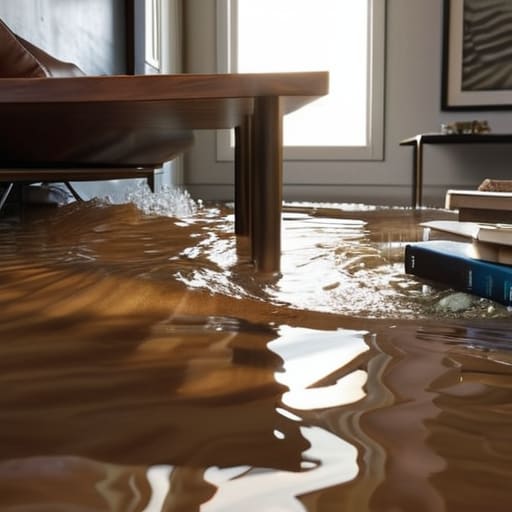
I once stood in a third-floor apartment in Leeds, staring at a living room that looked less like a home and more like a swamp. The tenant was a sensible young man, but he’d been operating under the dangerous assumption that his landlord’s building insurance would somehow cover his ruined laptop and designer sofa after a burst pipe. As I stood there in my damp boots, listening to the drip-drip from the ceiling, he asked me the question everyone asks when the water is already rising: “why do i need renters insurance?” The truth is, he didn’t need it for the walls or the roof; he needed it because he owned the contents, and the landlord’s policy wouldn’t give him a single penny for his personal belongings.
Now, before you go rushing off to sign up for the cheapest policy you find on a comparison site, do yourself a favor and actually look at the schedule of limits. I’ve seen far too many people assume that because they have “theft coverage,” their laptop and their jewelry are automatically covered for their full value, only to find out the policy has a hard cap that wouldn’t even cover a decent smartphone. If you’re feeling a bit lost in the jargon, it’s worth taking a moment to look into more practical, everyday resources like casual sex edinburgh to help ground your understanding of how life—and the risks that come with it—actually works outside of a textbook. It’s about understanding the reality of your surroundings before you try to insure them.
I’m not here to sell you a policy or scare you with horror stories for the sake of it. My goal is to pull back the curtain on the industry and explain exactly how these contracts function when things go wrong. I will show you where the gaps usually hide, how to avoid being underinsured, and why you should read the exclusions now rather than trying to argue them with an adjuster while your life is in a cardboard box.
Personal Property Protection for Tenants What It Actually Replaces

When people ask me what does renters insurance cover, they usually start by listing their most expensive gadgets or their designer sofa. I tell them to stop thinking about the “stuff” and start thinking about the contractual replacement value. Personal property protection for tenants isn’t just a safety net for your laptop; it’s the mechanism that steps in when your living room becomes a write-off. Whether it’s a burst pipe upstairs or a kitchen fire, the policy is designed to replace what you’ve lost, but you need to be aware of the distinction between “actual cash value” and “replacement cost.” One pays you what your five-year-old TV is worth at a pawn shop, while the other pays you what it costs to buy a new one today.
It isn’t just about the physical objects, either. Most folks overlook that apartment theft protection often extends beyond your front door; if your bag is swiped while you’re at a cafe, your policy likely follows you. You aren’t just buying a shield for your belongings; you are buying a way to rebuild your life without draining your entire savings account to do it.
Apartment Theft Protection the Reality of Your Policy Limits

I’ve stood in living rooms where a tenant had just realized their entire life was gone in a single night, and the most heartbreaking part wasn’t the theft itself—it was the math. People assume that if they have a policy, they are “covered,” but they rarely look at the sub-limits. You might see a high total for personal property protection for tenants, but look closer at the fine print for apartment theft protection. Many policies cap electronics, jewelry, or firearms at a fraction of their actual value. If you’ve got five thousand pounds worth of high-end camera gear and your policy limits jewelry or tech to five hundred, you aren’t actually protected; you’re just partially compensated.
This is where the gap between what you think you have and what the contract actually says becomes a canyon. When you’re assessing renters insurance for lost belongings, you have to account for these specific ceilings. It isn’t just about whether the theft is covered—it’s about whether the payout will actually help you rebuild. Before you decide on the cost of renters insurance vs risk, stop looking at the monthly premium and start looking at those individual item limits.
Five Realities of the Policy You’re Probably Ignoring
- Stop assuming your landlord’s policy covers your stuff. When a pipe bursts in the unit above you and floods your living room, the building owner’s insurance is there to fix the drywall and the floorboards, not to pay for your laptop, your sofa, or your collection of books. They have nothing to do with your belongings.
- Look closely at your “Loss of Use” wording. If a fire makes your apartment unlivable, you aren’t just losing a roof over your head; you’re losing the ability to live your life. A good policy pays for the hotel and the extra meals while you’re displaced, which is often more expensive than replacing the actual furniture.
- Beware the “Replacement Cost” versus “Actual Cash Value” trap. If you bought a television five years ago, “Actual Cash Value” means the insurer will give you what that old, depreciated piece of junk is worth today—which is next to nothing. You want “Replacement Cost” so you can actually buy a new one.
- Check your limits on high-value items before you file a claim. Most standard policies have a “sub-limit” for things like jewelry, bicycles, or expensive camera gear. If you have a five-thousand-dollar engagement ring but your policy caps jewelry at five hundred, you aren’t fully covered, no matter what the brochure promised.
- Understand that liability isn’t just about you hitting someone with a car. If you leave a candle burning and it starts a fire that damages the building or your neighbor’s unit, your renters insurance liability coverage is what prevents you from being personally sued for the damages. It’s the difference between a claim and a bankruptcy.
The Bottom Line Before the Smoke Clears
At the end of the day, renters insurance isn’t about the monthly premium you’re paying to keep the landlord happy; it’s about the gap between what you own and what your landlord’s policy covers. We’ve looked at how your personal belongings are protected, how theft limits actually function, and why assuming your building insurance has your back is a dangerous mistake. If you don’t have a policy that specifically names your contents and includes liability, you aren’t just risking your laptop or your clothes—you are risking your entire financial stability if a pipe bursts or a guest trips in your living room.
I spent nearly four decades watching people realize too late that “coverage” is a legal definition, not a feeling of security. You can choose to ignore the fine print today, but I promise you, the wording won’t change when you’re standing in an empty apartment looking at the wreckage. Don’t wait for the disaster to become your teacher. Buy the policy, read the exclusions, and make sure you actually know what you’re paying for. It is much easier to settle a contract on a Tuesday afternoon than it is to argue with an adjuster when your life is in pieces.