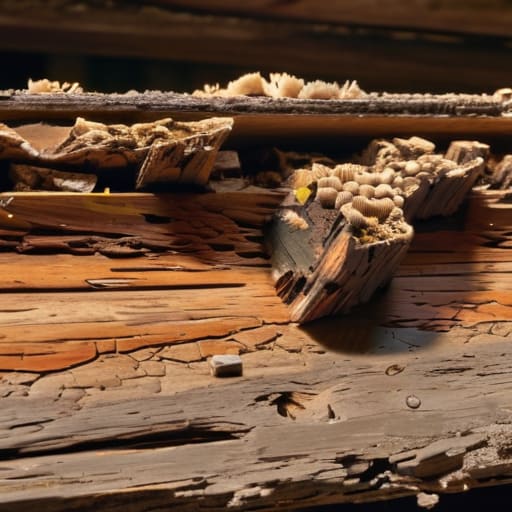
I remember standing in a basement in Surrey back in ’94, the air thick with the smell of stagnant water and rotting floorboards. The homeowner was adamant that his burst pipe was a sudden, accidental event, but as I knelt there in the muck, I could see the truth written in the slow-motion decay of the joists. It wasn’t a burst; it was a slow, neglected weep that had been happening for months. This is the bitter reality of how maintenance affects claims outcomes: an insurer isn’t paying for your neglect, and no amount of pleading will change the fact that a policy covers accidents, not a lack of upkeep.
I’m not here to lecture you on being a better homeowner, though a bit of common sense wouldn’t go amiss. My goal is to pull back the curtain on what I saw during thirty-seven years in the field. I’m going to show you exactly where the line is drawn between a valid claim and a denied one, and why the most expensive mistake you can make is assuming your policy will fix a problem you saw coming a year ago.
The Hidden Gap How Maintenance Affects Claims Outcomes
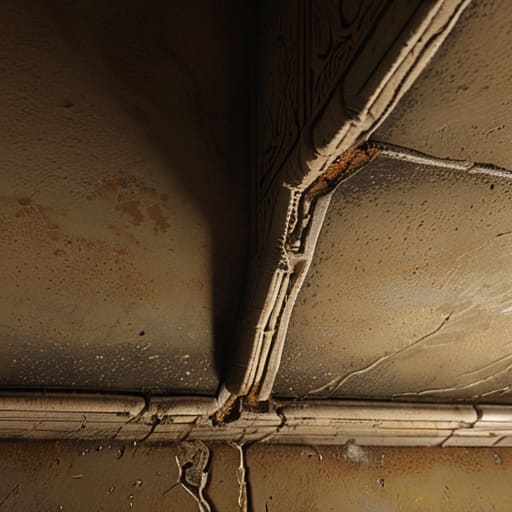
When I walked onto a site after a major leak, the first thing I looked for wasn’t the burst pipe; it was the water stains on the ceiling that had been there for months. This is where the real battle begins: distinguishing sudden damage from gradual deterioration. Most people think an insurance policy is a safety net for everything that goes wrong, but it isn’t. It’s a contract designed for accidents, not for things that have been slowly rotting in the corner of your basement for three seasons.
If you’ve ignored a small drip because “it’s not a big deal,” you’ve essentially handed the insurer a reason to walk away. I’ve seen countless cases of denied claims due to lack of upkeep, where the policyholder is genuinely shocked to find themselves out of pocket. They see a flooded room; I see a failure to meet the basic homeowner responsibility for property repairs. Once the adjuster identifies that the damage was a slow, predictable process rather than a sudden event, the claim is effectively dead on arrival.
Insurance Policy Exclusions for Neglect the Silent Claim Killer
When I was out in the field, the most common argument wasn’t about whether a pipe had burst, but when it had started leaking. This is where most people trip up. They see a puddle and call it an accident, but the adjuster sees a slow seep that’s been happening for six months. Most policies are designed to cover sudden, unforeseen events, not the slow decay of a building. This is the crux of distinguishing sudden damage from gradual deterioration, and it is where the most heated disputes happen.
If you haven’t been keeping an eye on your gutters or your roof tiles, you are essentially gambling with your coverage. You might think you’re covered for water damage, but if the source was a long-standing leak you ignored, you’re looking at denied claims due to lack of upkeep. I’ve seen many a homeowner left staring at a damp wall, realizing too late that their policy wasn’t a substitute for a handyman. It isn’t about being “unlucky”; it’s about the fact that the contract explicitly excludes the consequences of a property being allowed to deteriorate.
Distinguishing Sudden Damage From Gradual Deterioration in the Fine Print
This is where the rubber meets the road, and where most policyholders lose their shirts. In my thirty-seven years, I’ve seen countless people stand in a flooded basement, pointing at a burst pipe and demanding a payout, only to have the claim denied because the real culprit was a slow, rhythmic drip that had been rotting the floorboards for six months. The distinction is everything. Your policy is designed to cover an event—a sudden, unforeseen occurrence like a tree limb crashing through a roof. It is not, however, a maintenance contract designed to replace things that have simply reached the end of their natural life.
When I was adjusting claims, the most contentious battles were always about distinguishing sudden damage from gradual deterioration. If a pipe bursts because of a freak freeze, that’s an accident. If that pipe bursts because the seals perished due to a decade of neglect, you’re looking at a different story entirely. You cannot claim for the consequences of a leak that has been happening since the previous administration. You have to be able to prove you aren’t just trying to use an insurance policy to fund a long-overdue renovation.
Proving Accidental Damage vs Wear and Tear Under Scrutiny
When I was out in the field, the most heated arguments never happened over the amount of the loss, but over the nature of it. You’ll see a homeowner pointing at a collapsed ceiling and swearing it happened in an instant, while I’m standing there looking at water stains that have been creeping along the joists for six months. This is the crux of proving accidental damage vs wear and tear. An accident is a discrete event—a pipe bursts, a storm rips a tile loose, a tree limb falls. Wear and tear, however, is a slow, predictable march toward failure. If that failure was predictable and you did nothing to stop it, you aren’t looking at an accident; you’re looking at a maintenance issue.
The burden of proof often shifts onto you the moment the adjuster arrives. If you can’t demonstrate that the damage was sudden and unforeseen, the company will lean heavily on insurance policy exclusions for neglect. They aren’t being difficult just for the sake of it; they are simply following the contract. If you haven’t been keeping up with basic inspections, it becomes nearly impossible to prove that a leak wasn’t a slow rot that you simply failed to notice.
Denied Claims Due to Lack of Upkeep and Homeowner Responsibility
I’ve sat in many a damp living room, looking at water stains that had clearly been creeping across a ceiling for months before the actual ceiling gave way. When I’m standing there, I’m not looking for a villain; I’m looking for the timeline. Most people think a burst pipe is a sudden event, but if that pipe has been weeping into a wall for six months because a valve was left unserviced, we aren’t talking about an accident anymore. We are talking about homeowner responsibility for property repairs. In my experience, the moment a loss becomes a result of “known but ignored” issues, the claim moves from the ‘covered’ pile to the ‘denied’ pile very quickly.
The reality is that denied claims due to lack of upkeep are rarely about the insurer being difficult; they are about the contract being clear. If you haven’t cleared your gutters and a heavy rain causes a backup that floods your basement, an adjuster is going to point directly to the maintenance clauses. You can’t expect an insurance policy to act as a substitute for basic home ownership. You aren’t paying for a guarantee against neglect; you are paying for protection against the unexpected.
Five Ways to Keep Your Policy From Turning Against You
- Keep a paper trail of your repairs. When I walked into a site after a leak, I wasn’t just looking at the wet plaster; I was looking for proof that the roof had been looked at in the last three years. A receipt for a plumber or a dated invoice from a roofer is worth more than a thousand verbal promises when an adjuster is sitting across from you.
- Don’t mistake “it’s still working” for “it’s maintained.” A boiler that makes a strange knocking sound might still provide heat, but if that sound is the precursor to a burst pipe, the insurer will be looking very closely at whether you ignored a clear warning sign of gradual deterioration.
- Clean your gutters religiously. It sounds like a chore, but it’s actually a risk management strategy. I’ve seen more claims denied for water ingress due to blocked gutters than I care to count, simply because the insurer argued the damage wasn’t a sudden event, but a predictable consequence of neglect.
- Understand the difference between a “sudden event” and “wear and tear.” Your policy is designed to catch you when a tree falls on your house, not when your roof tiles slowly disintegrate over a decade of neglect. If you can’t point to a specific date and time when the damage occurred, you’re in the danger zone.
- Treat your property like a business asset, not just a home. If you see a crack in a wall or a damp patch in a corner, don’t just wait for it to get worse. Address it immediately. The longer you wait, the more the insurer can argue that you’ve allowed a minor, covered issue to evolve into a major, excluded one.
The Bottom Line: What You Need to Remember Before the Loss Occurs
Don’t mistake “wear and tear” for an accident; if the damage happened because something was old or poorly maintained, the policy wording is almost certainly going to work against you.
The burden of proof is on you to show that a loss was sudden and unforeseen, rather than the inevitable result of a problem you should have spotted months ago.
Maintenance isn’t just about property value; it is your primary defense against a claim being denied under the “neglect” or “lack of upkeep” clauses that I spent thirty-seven years looking for.
The Bottom Line on Maintenance and Claims
At the end of the day, the distinction between a legitimate claim and a denied one often comes down to a single word in your policy: maintenance. I’ve spent decades standing in damp basements and scorched living rooms, and I can tell you that the most heartbreaking moments aren’t the disasters themselves, but the realization that the policy won’t pay because a simple gutter wasn’t cleared or a roof tile was left cracked for six months. Whether it is the fine line between gradual deterioration and sudden damage, or the way insurers use “wear and tear” to exclude the very things you thought were covered, the reality remains the same. If you haven’t looked after the property, you haven’t really protected it.
My advice isn’t meant to be cynical, though I know it can sound that way. I just want you to be prepared. Don’t wait for a pipe to burst or a ceiling to sag to start reading the sections of your policy regarding homeowner responsibilities. Insurance is a tool designed to catch you when the unexpected happens, but it isn’t a substitute for basic common sense. Take the time to walk around your property once a season, check the seals, and clear the debris. If you treat your maintenance with the same seriousness you treat your premiums, you’ll find that when the disaster finally does strike, you’ll be standing on much firmer ground.
Frequently Asked Questions
If a pipe bursts, how do you prove it was a sudden failure rather than a slow leak I should have caught months ago?
You have to show me the evidence of a single event. If a pipe bursts, I’m looking for the “catastrophic” markers: a sudden deluge, saturated floorboards, and a clear point of rupture. If you show me damp patches that have been growing behind a skirting board for six months, that’s not a burst; that’s a slow leak. In that case, the policy won’t cover the rot, because that’s maintenance, not an accident.
Does the insurer have a legal right to inspect my property for maintenance issues before I even file a claim?
Technically, yes. Most policies grant the insurer the right to inspect the risk to ensure it meets their underwriting standards. They aren’t just waiting for a fire to happen; they want to know they aren’t insuring a crumbling ruin. If they send an inspector and find significant neglect, they might not deny a future claim immediately, but they certainly have the right to issue a notice to repair or even cancel your policy entirely.
If I have a history of minor, unrepaired issues, will that automatically disqualify me from getting a payout on a major, unrelated incident?
No, it isn’t an automatic disqualification, but don’t mistake “unrelated” for “invisible.” If a burst pipe causes a flood, I’m not going to deny the claim just because you have a leaky tap in the guest bathroom. However, if I see a pattern of neglect, I’m going to look much harder at the cause of this new loss. I’ll be checking if that “unrelated” incident was actually exacerbated by the things you ignored.