
I remember standing in a damp garage back in ’94, looking at a pristine 1967 Jaguar E-Type that had been totaled by a faulty electrical short. The owner was adamant he was covered, but as I pulled the policy from my briefcase, the truth was written in black and white: his “specialist” policy had an exclusion for mechanical breakdown that rendered his premium useless. Most people approach the question of how classic car insurance works by looking at the monthly cost, but they fail to realize they aren’t just buying protection; they are negotiating a set of boundaries that only become visible when things go wrong.
I am not here to sell you a policy or tell you that every insurer is out to get you. What I intend to do is strip away the marketing gloss and show you exactly where the trapdoors are hidden in these specialized contracts. I will explain the reality of agreed value versus market value, why your garage’s security setup actually dictates your coverage, and how to read the fine print so you aren’t left holding an empty check when the unexpected happens.
The Real Truth About How Classic Car Insurance Works
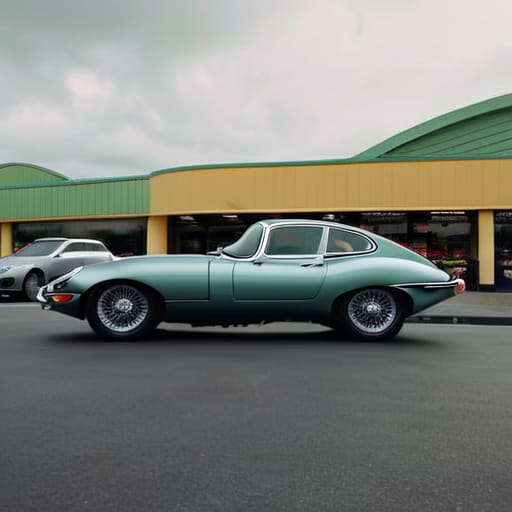
Most people assume that because they’ve paid a premium for a specialty policy, they are fully protected. They aren’t. The reality is that most classic car insurance isn’t a “set it and forget it” affair; it is a highly specific contract that lives or dies by how you use the vehicle. If your policy includes classic car usage restrictions—which almost all of them do—and you decide to drive that vintage Jag to the local supermarket on a Tuesday, you might as well be driving an uninsured vehicle. I’ve seen claims denied not because the car wasn’t covered, but because the owner breached the “limited use” clause by simply living their life.
Then there is the math, which is where the real heartbreak happens. You need to understand the difference between stated value vs agreed value before you ever park that car in a garage. A stated value is often just a polite way of saying the insurer will look at market data at the time of the loss, which can leave you short. An agreed value, however, is a fixed number written into the contract. If you don’t get that wording right, you aren’t buying protection; you’re just buying a very expensive piece of paper.
Stated Value vs Agreed Value the Math That Breaks Claims
I’ve spent enough time in damp garages and salvage yards to know that the most expensive mistake a collector can make isn’t a bad driving decision—it’s a misunderstanding of the math. Most people see a number on their policy and assume that’s what they get back. They are often wrong. In the world of stated value vs agreed value, the distinction is the difference between a fair settlement and a devastating shortfall.
A “stated value” is essentially a placeholder. It’s a figure you and the insurer agree is a reasonable starting point, but if you total the car, the adjuster is still going to look at the current market. If the market has dipped, or if the car wasn’t as pristine as you claimed, you aren’t getting that number. You’re getting the actual cash value at the moment of loss.
“Agreed value,” however, is a different beast entirely. It is a fixed contract. If the policy says £50,000, then £50,000 is what is paid, regardless of what the market says on the day of the wreck. When you are dealing with collector car insurance coverage, you need to stop looking at the premium and start looking at whether that number is a guarantee or merely a suggestion.
The Hidden Trap of Classic Car Usage Restrictions
I’ve seen this more times than I care to count: a gentleman spends years meticulously restoring a 1967 Mustang, only to have a claim denied because he decided to drive it to the local supermarket for a loaf of bread. You see, most classic car usage restrictions aren’t just suggestions; they are the bedrock of the contract. If your policy is predicated on the vehicle being for “occasional pleasure use” or “show use only,” the moment you use it as a daily driver, you have effectively breached the terms. An insurer isn’t being vindictive when they deny a collision claim in these circumstances; they are simply pointing to the fact that you changed the risk profile without changing the premium.
When you are looking at specialty vehicle insurance requirements, you have to be honest about how the keys actually get turned. If you find yourself slipping into the habit of using the antique car for errands or commuting, you are playing a dangerous game with your coverage. It doesn’t matter how much you’ve invested in the paint or the engine; if the usage doesn’t align with the wording, the policy is essentially a piece of paper when the accident happens.
Collector Car Insurance Coverage Reading Between the Lines
When people look at a quote for collector car insurance coverage, they tend to focus on the premium. They see a number that looks significantly lower than their standard auto policy and think they’ve won. But as someone who has sat across the desk from people holding a totaled chassis and a useless piece of paper, I can tell you that the “coverage” is only as good as the definitions within the policy. You need to look past the broad headings and find where the boundaries are drawn.
Most of these specialty vehicle insurance requirements hinge on how the vehicle is defined and maintained. For instance, does the policy require a locked, climate-controlled garage, or does it merely specify “off-street parking”? If you’ve been keeping your prize possession under a carport because the garage is full of garden tools, you might find yourself staring at a declinature based on a breach of warranty. Furthermore, you must consider diminished value in classic cars. If a minor fender bender is repaired, the car is still worth less than it was before the accident because its history is now tainted. If your policy doesn’t account for that loss of intrinsic value, you aren’t actually being made whole; you’re just being given a repair bill.
Diminished Value in Classic Cars What the Wording Ignores
Here is the part of the contract that usually catches people off guard: the gap between the repair bill and the actual market value. If you have a pristine 1967 Mustang and it gets bumped in a parking lot, a standard shop can fix the metal and the paint, but they cannot fix the car’s history. The moment that car has a damage report attached to its name, its resale value plummets. This is the reality of diminished value in classic cars, and it is a mathematical sting that most standard policies simply refuse to acknowledge.
I’ve seen many a collector walk away from a settlement feeling cheated, even when the check covered the physical repairs in full. They realize too late that while the car looks fine, it is worth twenty percent less than it was the day before the accident. Most antique automobile insurance policies are designed to restore the physical object, not to compensate you for the loss of prestige or marketability. Unless you have specifically negotiated for loss of value coverage, you are essentially paying for a repair that leaves you financially poorer than when you started.
Five Things the Policy Wording Expects You to Ignore (But Shouldn't)
- Check your storage conditions. I’ve seen more claims denied because a car was kept in an unheated, damp garage than because of actual accidents; if your policy requires “climate-controlled storage” and you’re keeping it under a tarp in a shed, you’ve effectively insured nothing at all.
- Audit your mileage every single time you renew. It’s tempting to keep that number low to save a few pounds on the premium, but the moment you take that vintage Jag on a cross-country road trip and exceed your stated annual limit, you aren’t just risking a fine—you’re risking a total repudiation of the claim.
- Verify the “driver restriction” clause before you hand over the keys. Most classic policies are written for a single, specific enthusiast; if your son borrows the car for a Sunday drive and he isn’t explicitly named as a permitted driver in the schedule, the insurer has a perfectly legal right to walk away from the wreckage.
- Don’t assume “comprehensive” means “everything.” In the classic world, “comprehensive” often excludes specific high-value components or specialized restoration work unless they are specifically itemized; if it isn’t written in the schedule, it doesn’t exist when the adjuster arrives.
- Document the “pre-loss condition” with more than just a few photos. If you can’t prove the car was in showroom condition the day before the incident, the insurer will default to the lowest possible valuation, and you’ll be left fighting a battle over depreciation that you’ve already lost.
The Adjuster's Final Word: What to Check Before You Sign
Stop chasing the lowest premium and start reading the “Usage” and “Storage” clauses; a cheap policy is worthless if it excludes the very way you actually drive your car.
Ensure you have “Agreed Value” in writing, because if you’re relying on “Market Value” after a total loss, you’ll be fighting a mathematical battle you are almost guaranteed to lose.
Treat your policy wording like a manual, not a suggestion—if you wait until the car is on a recovery truck to find out what is excluded, the conversation is already over.
The Final Inspection
At the end of the day, insuring a classic car isn’t about finding the lowest premium; it’s about ensuring the contract actually holds weight when the metal starts bending. We’ve looked at how the distinction between stated and agreed value can make or break a settlement, how usage restrictions can turn a valid claim into a technical denial, and why the loss of value—that diminished value—is often the most painful gap in your coverage. If you haven’t sat down with your policy to verify that your “collector” status matches your actual driving habits, you aren’t truly covered; you’re just hoping for the best. And in my thirty-seven years, hope has never been a reliable basis for a claim settlement.
My advice is simple: stop treating your insurance policy like a receipt you tuck into a drawer and start treating it like the legal instrument it is. Read the exclusions, confirm your valuations, and don’t be afraid to ask your broker the uncomfortable questions before the garage door opens for the last time. You shouldn’t have to become a loss adjuster to protect your passion, but a little bit of due diligence now prevents a lifetime of regret later. Protect the car, but more importantly, protect the contract.
Frequently Asked Questions
If I use my classic car for a one-off Sunday drive to a car show, am I technically violating my usage restrictions and voiding the policy?
Look, I’ve seen this exact scenario play out in a dozen claims meetings. If your policy says “limited to occasional pleasure use” or “strictly for exhibition purposes,” a Sunday drive to a show usually fits the bill. But if your wording specifies “non-use for any road travel,” you’re playing with fire. Don’t guess. Open the policy, find the ‘Usage’ section, and see if that drive is an allowed activity or a breach of contract.
My car is worth more than the sum insured because of its provenance, but if the policy says "stated value," will they actually pay me the market rate or just the number on the paper?
If your policy says “stated value,” you’ve essentially handed the insurer a ceiling. In my experience, they aren’t going to hunt down the extra provenance value for you; they are going to look at that piece of paper, see the number you agreed to, and write a check for exactly that. If the market says it’s worth fifty thousand but your stated value is thirty, you’re losing twenty thousand the moment you sign.
Does my existing homeowners' policy provide any gap coverage for my classic car, or am I completely exposed if I don't have a standalone specialist policy?
I’ve seen this enough to know the answer is usually a hard “no.” You might think your homeowners’ policy covers your personal property, but most standard wording specifically excludes motor vehicles or limits them to a pittance. Even if it does include them, the valuation will be based on “actual cash value”—the depreciated scrap worth—not the collector’s value you actually care about. If you haven’t checked the specific exclusions, you’re likely exposed.