
I remember standing in a semi-submerged living room in Surrey back in ’07, the smell of silt and sodden drywall thick enough to taste. The homeowner was frantic, pointing at the rising water and shouting about how unfair it was, but I wasn’t looking at the puddles; I was looking at the flood exclusion clause in his policy. People love to debate the politics of the weather, but they rarely stop to ask the practical question of how climate change affects insurability in their own backyard. They assume that because they’ve paid their premiums for twenty years, the safety net will always be there, regardless of how much the ground shifts or the skies open up.
I’m not here to lecture you on meteorology or tell you the world is ending. I’ve spent thirty-seven years reading the fine print that determines whether a claim is a payout or a polite “no,” and I want to show you what’s actually coming. I’m going to pull back the curtain on how shifting risks are changing the very math of your coverage. We’ll look at why certain areas are becoming uninsurable and how you can spot the subtle wording changes that might leave you holding the bag when the next big storm hits.
Understanding How Climate Change Affects Insurability
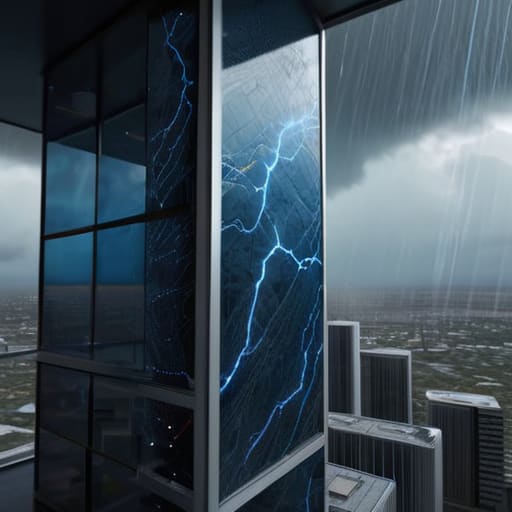
To understand why your renewal notice looks so different this year, you have to look at how the industry is recalibrating its math. For decades, we relied on historical data—looking at the last fifty years of rainfall or wind speeds to predict the next one. But that’s no longer a reliable compass. Insurers are moving toward more aggressive catastrophic risk modeling because the old maps don’t account for the sheer frequency of these “once-in-a-century” events that now seem to happen every other Tuesday. When the models shift, the underwriting follows suit.
This isn’t just about a few extra dollars on your premium; it’s about the fundamental question of whether a risk can be priced at all. In certain areas, we are seeing significant insurance coverage gaps in high-risk zones, where the peril is simply too volatile for a standard contract. I’ve seen it happen: a region becomes so prone to flooding or fire that the actuarial math breaks. At that point, you aren’t just looking at a price hike; you’re looking at the possibility that a policy for your specific location might simply cease to exist in the open market.
Key Things to Know
First, you need to understand that what used to be “once-in-a-century” storms are now becoming seasonal events. Insurers aren’t just guessing; they are leaning heavily on catastrophic risk modeling to predict where the next flood or wildfire will hit. When those models shift, the math changes. It isn’t personal, but it is mathematical. If the data says your postcode is now a high-probability zone for damage, the company isn’t going to wait for the water to reach your doorstep before they adjust their books.
This brings us to the practical reality of your wallet and your protection. You’ll see a direct link between property insurance premiums and extreme weather patterns, but the real danger lies in the silent shifts. We are seeing more insurance coverage gaps in high-risk zones, where certain perils—like specific types of flooding or wind damage—are being carved out of standard policies entirely. You might think you’re covered because you have a policy, but if the wording excludes the specific type of event that just leveled your garden wall, you’re essentially standing in the rain without an umbrella.
Practical Tips and Steps
First, stop looking at your premium as a static number and start looking at it as a moving target. When you see a sharp spike in your renewal notice, don’t just grumble about the cost; look closely at your policy documents to see if they’ve introduced new exclusions related to flooding or windstorm damage. You need to identify any insurance coverage gaps in high-risk zones before a storm hits. I’ve seen too many people assume they are covered for “water damage” only to find out, during the claims process, that the wording specifically excludes rising groundwater or storm surges.
Second, take a proactive approach to your own defense. This isn’t just about buying more cover; it’s about climate adaptation strategies for homeowners. If you live in a flood-prone area, investing in physical mitigation—like improved drainage or non-return valves—isn’t just good maintenance; it’s a way to demonstrate to an insurer that you are actively managing your risk. It might even give you some leverage when discussing your rates. Remember, an insurer is far more likely to offer reasonable terms to a policyholder who has actually bothered to harden their property against the elements.
Common Mistakes to Avoid
The first mistake I see—and I’ve seen it in a thousand claim files—is the assumption that “standard” coverage is a permanent fixture. People tend to treat their policy like a static document, but as the weather patterns shift, the industry is recalibrating. You might find yourself facing sudden insurance coverage gaps in high-risk zones simply because the risk profile of your postcode changed overnight. Don’t assume that because you were covered last year, you are safe this year. If the models change, the availability of cover changes with them.
Another trap is ignoring the “maintenance” clauses in your fine print. In my experience, many policyholders try to claim for water damage after a heavy storm, only to have the adjuster point out that a blocked gutter or a cracked foundation—issues exacerbated by more frequent heavy rain—was the actual cause. Insurers are increasingly using sophisticated catastrophic risk modeling to separate “acts of God” from poor property upkeep. If you aren’t actively managing your home’s resilience, you aren’t just risking your property; you are essentially handing the insurer a reason to decline your claim.
Final Thoughts
Look, I’ve spent nearly four decades walking through the aftermath of storms and fires, and if there is one thing I’ve learned, it’s that hope is not a contingency plan. You can hope the storm misses your street or that your policy is broader than it looks, but hope won’t pay a claim when the adjuster arrives. We are moving into an era where the old maps don’t apply anymore. As companies lean more heavily on catastrophic risk modeling to decide who they can and cannot protect, the reality is that some areas may simply become uninsurable, regardless of how careful you are with your maintenance.
Don’t wait for a disaster to discover you’ve fallen into one of those insurance coverage gaps in high-risk zones. My advice is simple: stop treating your policy as a “set and forget” document. Read the exclusions, understand your limits, and recognize that the landscape is shifting under your feet. It isn’t about being a pessimist; it’s about being prepared for the moment the wording finally matters.
Five Ways to Read Between the Lines of Your Policy
- Stop looking at the premium and start looking at the “Exclusions” section. As the weather gets more volatile, insurers aren’t just raising prices; they are rewriting what they refuse to pay for. A policy that looks cheap today might have a new, specific exclusion for “surface water flooding” or “windstorm damage” tucked into the fine print that makes it practically useless when the storm actually hits.
- Watch out for the “Underinsurance Trap” during rebuilds. Climate change means the cost of materials and labor to repair weather-damaged property is spiking. If your sum insured is based on what your house was worth five years ago, you are effectively self-insuring the difference. When a disaster hits, the adjuster—like me—will apply the condition of average, and you’ll find your payout slashed because you didn’t account for the rising cost of a resilient rebuild.
- Don’t assume “Flood Cover” is a blanket term. In my experience, the distinction between a rising river (fluvial) and water coming up through the ground (pluvial) is where most people get caught out. As heavy rainfall becomes more common, make sure your policy explicitly covers the specific type of water ingress that your local geography is prone to. If it isn’t named, don’t assume it’s covered.
- Check your “Mitigation Requirements.” Insurers are getting clever; they may offer coverage on the condition that you’ve taken specific steps, like installing flood barriers or upgrading your roof tie-downs. If you have a claim and you haven’t maintained those specific preventative measures, they won’t just argue about the cost—they’ll argue that you breached the terms of the contract entirely.
- Audit your “Definition of Peril.” As extreme weather events become the “new normal,” the legal definition of what constitutes an “extraordinary event” versus a “predictable occurrence” is shifting. You need to know if your policy covers “gradual deterioration” caused by repeated heavy rain or if it only triggers for a single, catastrophic event. Knowing that distinction is the difference between a settled claim and a very expensive lesson.
The Bottom Line Before You Renew
Don’t assume “all risks” means everything; as weather patterns shift, insurers are getting much more surgical with their exclusions, particularly around flood and subsidence.
A cheap premium is often just a signal that you’re carrying more of the risk yourself, either through higher deductibles or narrower coverage limits that won’t hold up when a real disaster hits.
When the weather gets extreme, the policy wording matters more than the salesperson’s promises—read the definitions of “event” and “damage” before you sign, because that’s where the battle is won or lost.
The Reality of the Long View
We have spent a lot of time looking at the mechanics of how a shifting climate alters the landscape of risk. From the tightening of policy wording to the sudden disappearance of coverage in high-risk zones, the message is clear: the old rules of “set it and forget it” insurance are dead. You cannot simply rely on the premium you paid five years ago to protect you today. You have to account for the fact that insurers are recalibrating their models in real-time, and that underinsurance remains the most silent, most devastating way to lose a claim. If you aren’t checking your limits against the current reality of your environment, you aren’t actually covered; you are just hoping for the best, and in my experience, hope is not a valid component of a contract.
I know this sounds a bit grim, but I don’t tell you this to scare you—I tell you this so you can be prepared. The world is changing, and the way we protect our homes and businesses has to change with it. Insurance will never be a perfect shield, but it can be a sturdy one if you know where the cracks are likely to form. Don’t wait for the storm to hit or the floodwaters to rise before you start reading the fine print. Take control of your risk now, understand your exclusions before they become your reality, and build a foundation that actually holds when things get difficult. Knowledge is the only thing that truly lowers your personal liability.
Frequently Asked Questions
If my area is suddenly deemed "high risk" due to changing weather patterns, can my insurer just refuse to renew my policy entirely?
The short answer is yes. I’ve seen it happen more often than people realize. An insurer isn’t legally obligated to keep you on as a customer if the risk profile of your postcode shifts fundamentally. If their data shows your area is now a flood zone or a wildfire corridor, they can simply issue a non-renewal notice. It isn’t personal, and it isn’t necessarily a “bad” company; it’s just the math of the contract no longer working for them.
Will my current policy wording protect me if a disaster occurs that wasn't specifically anticipated when I signed the contract?
That depends entirely on whether your policy is “named perils” or “all risks.” If it’s named perils, and the disaster isn’t on that specific list, you’re standing in a wet building with no payout. I’ve seen many people assume that because a catastrophe is unprecedented, it must be covered. It isn’t. If the wording doesn’t explicitly grant you cover for that specific event, the insurer isn’t obligated to invent it just because it’s new.
When I see my premiums jumping, is that just a general rate hike, or is the insurer specifically adjusting for new climate-related risks in my postcode?
It’s usually a bit of both, but you need to look closer. A general rate hike is often just inflation or broad market shifts, but if that jump is localized, they’re likely pricing in new data. Insurers are getting much better at mapping specific flood plains or wildfire zones. If your postcode is suddenly being flagged for higher risk, they aren’t just raising prices; they’re recalibrating the actual likelihood of a claim hitting their books.