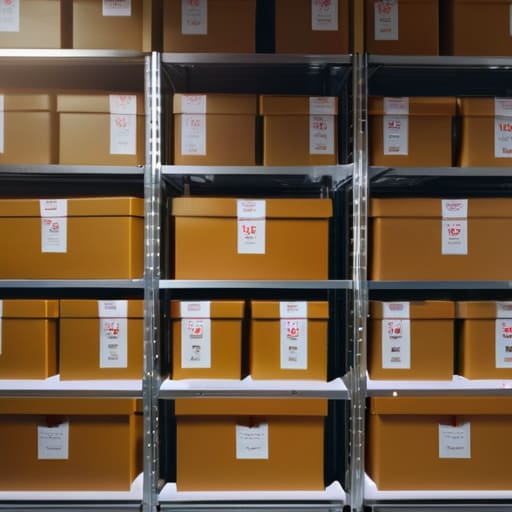
I remember standing in a warehouse in Leeds back in ’94, the air thick with the smell of burnt plastic and damp cardboard, looking at a business owner who was certain he was covered. He had a policy, certainly, but he’d based his coverage on last year’s ledger rather than the current market value of his inventory. When I told him that his payout would be a fraction of his actual loss due to underinsurance, he looked at me like I was the one who had set the fire. That’s the problem: most people treat how stock should be insured as a checkbox exercise to satisfy a bank, rather than a calculation of what it would actually cost to replace every single item on those shelves at today’s prices.
I’m not here to sell you a premium policy or tell you that every risk can be transferred to an insurer. What I am going to do is pull back the curtain on the mechanics of a claim so you aren’t caught staring at a settlement figure that doesn’t cover your rent. I’ll explain the difference between replacement cost and market value, why your valuation methods matter more than your premium, and how to ensure your coverage actually matches the reality of your warehouse floor.
The Cost of Ignorance How Stock Should Be Insured

I’ve stood in more damp warehouses than I care to count, looking at charred remains or water-damaged pallets, and the most heartbreaking thing isn’t the loss itself—it’s the realization that the business owner was technically “covered,” but for a fraction of what they actually needed. Most people pick a flat sum, set it and forget it. But if your business breathes—if you have peaks and troughs—a static policy is a trap. You need to understand stock declaration methods, where you report your values periodically, rather than being locked into a number that was accurate in July but is laughably low by December.
If you’re running a business with high volatility, you shouldn’t be relying on a single, rigid figure. I’ve seen countless claims where the payout was slashed because the policyholder failed to account for stock fluctuation. Without a mechanism to adjust your limits as your inventory grows, you are essentially self-insuring the difference. It’s not about being paranoid; it’s about ensuring that when the ceiling falls or the pipes burst, the contract actually performs the job you paid for.
Beyond the Premium Navigating Inventory Insurance Coverage Types
When you sit down with a broker, they’ll likely offer you a standard policy, but the devil isn’t just in the fine print—it’s in the specific inventory insurance coverage types you choose to ignore. Most business owners settle for a fixed-sum policy because it’s easy to budget for. But if you’re running a business where your shelves are empty on Monday and overflowing by Friday, a fixed limit is a trap. You need to look closely at stock declaration methods. If you aren’t declaring your values regularly, you’re essentially gambling that your peak stock levels will never coincide with a claim.
I’ve seen too many claims for seasonal goods where the policyholder thought they were covered, only to realize their limit was set based on their January lull rather than their December rush. If you deal with highs and lows, you should be looking at stock fluctuation insurance. It’s designed to breathe with your business. Without it, you aren’t just underinsured; you are effectively self-insuring the difference between your policy limit and your actual reality. It’s a hard lesson to learn while standing in a looted warehouse, but it’s much cheaper to get it right now.
The Math of Disaster Managing Stock Fluctuation Insurance
Most business owners treat their stock levels like a weather report—something they check occasionally but don’t really plan for. In my thirty-seven years, I’ve seen countless claims where the owner was devastated because their policy was set to a fixed sum based on a quiet Tuesday in February, completely ignoring the massive buildup before the Christmas rush. If you aren’t using specific stock declaration methods, you are essentially gambling that your disaster will strike during your lowest inventory period.
This is where the math gets cold. If you have a seasonal business, you cannot simply rely on a static limit; you need to understand how stock fluctuation insurance actually functions within your policy. I’ve stood in warehouses where the owner thought they were covered, only to find that because they hadn’t declared their increased levels, they were technically underinsured by fifty percent. It isn’t an act of malice by the insurer; it is simply the contract performing exactly as it was written. You have to decide whether you want to pay a slightly higher premium now or face a drastically reduced payout when your shelves are at their fullest.
Protecting Seasonal Inventory and Your Warehouse Stock Protection
I’ve seen it happen time and again: a retailer prepares for their busiest quarter, ramps up orders, and fills the warehouse to the rafters, only to suffer a burst pipe or a break-in in November. If they haven’t adjusted their limits, they are effectively self-insuring the very stock that keeps them afloat. When it comes to protecting seasonal inventory, you cannot rely on a static figure set in July. If your policy is capped at your average year-round level, the insurer isn’t going to hand you a cheque for the extra fifty thousand pounds of holiday goods sitting in the back room. They’ll simply point to the schedule and tell you that you’ve exceeded your limit.
The same logic applies to your storage facilities. Effective warehouse stock protection requires more than just a general policy; it requires a clear understanding of how your goods are staged and stored. I’ve stood in warehouses where the sheer volume of goods made the declared value look like a joke compared to the reality of the floor space. You need to ensure your coverage accounts for the physical reality of your storage, not just the optimistic estimates on your spreadsheets.
When the Shelves Are Empty Business Interruption for Inventory
Most people think that once the physical stock is replaced, the problem is solved. I’ve stood in warehouses where the fire was out and the debris cleared, only to find the owner staring at a ledger of mounting losses. They had the physical goods covered, but they forgot about the time it takes to get them back on the shelves. This is where business interruption for inventory becomes the difference between a temporary setback and a permanent closure. If you can’t sell, you can’t pay your staff, your rent, or your suppliers, regardless of how much your policy covers in terms of raw materials.
When I look at a claim, I’m not just looking at the cost of the lost items; I’m looking at the revenue gap created by their absence. You need to ensure your policy accounts for the lost profit and the ongoing fixed costs that keep ticking while your shelves are bare. If your coverage is strictly limited to the replacement value of the goods themselves, you are essentially insuring the objects but ignoring the entire engine that makes them valuable. Don’t wait until the doors are locked to realize your policy only covers the “stuff” and not the business that uses it.
Five Things the Policy Wording Won't Tell You Until It’s Too Late
- Stop valuing your stock at cost price alone. I’ve seen countless claims where the business owner thought they were covered, only to realize the policy didn’t account for the landed costs, freight, or the duty they paid to get the goods through the door. If you aren’t insuring the total replacement value, you’re effectively self-insuring the difference.
- Check your “Stock Declaration” frequency. If your inventory swings wildly month-to-month, a static annual sum insured is a trap. If you under-declare during a peak period, the insurer will apply the ‘Average Clause’ during a claim, which is a polite way of saying they’ll slash your payout proportionally to your underinsurance.
- Look closely at the “Basis of Valuation” clause. There is a massive legal difference between ‘Cost Price,’ ‘Selling Price,’ and ‘Replacement Value.’ If your policy says ‘Cost’ but you need ‘Selling Price’ to stay solvent after a fire, you’re going to have a very difficult conversation with my colleagues in the claims department.
- Don’t ignore the “Peril” definitions. A policy that covers “Fire and Lightning” is not the same as one that covers “All Risks.” I’ve stood in warehouses where the stock was ruined by water ingress from a burst pipe, only to find the policyholder had bought a narrow policy that only triggered for actual fire damage.
- Get your record-keeping in order before the smoke clears. An insurance claim is only as good as your ability to prove what was on the shelves. If your digital inventory records are a mess or your physical stocktakes are outdated, the adjuster isn’t going to take your word for it; they’re going to demand a paper trail that you likely don’t have.
The Adjuster’s Final Word
Stop treating your insurance premium like a fixed cost and start treating it like a moving target; if your stock levels climb and your sum insured stays static, you aren’t just underinsured, you’re effectively self-insuring the difference.
Don’t mistake “coverage” for “compensation”—read the specific wording on how your stock is valued, whether it’s cost, replacement value, or market value, because that distinction is where most claims fall apart.
Business interruption is not a secondary thought; it is the lifeline that keeps the lights on while you replace what was lost, so ensure your policy accounts for the time it actually takes to restock, not just the value of the items on the floor.
The Final Audit
At the end of the day, insuring your stock isn’t about finding the cheapest premium on a comparison site; it’s about ensuring the math actually works when the smoke clears or the water recedes. We’ve looked at why you cannot afford to ignore stock fluctuations, why seasonal peaks require specific adjustments, and why business interruption is often the difference between a temporary setback and a permanent closure. If you haven’t scrutinized your valuation methods or accounted for the gap between your cost price and your replacement cost, you aren’t actually insured—you are merely hoping for the best. And in my thirty-seven years of adjusting claims, I can tell you that hope is not a valid contingency plan when a surveyor is standing in your warehouse.
My advice is simple: stop treating your insurance policy like a receipt you tuck away in a drawer and start treating it like the legal contract it is. Take the time now, while your shelves are full and your business is running smoothly, to sit down with your broker and ask the uncomfortable questions. Verify your limits, confirm your basis of valuation, and ensure your coverage reflects the reality of your inventory, not just the ghost of what it was last year. It might feel like a chore now, but I promise you, reading the fine print today is a hell of a lot easier than reading a decline letter tomorrow.
Frequently Asked Questions
If my stock value changes every single week, am I actually protected if I'm paying a premium based on last month's numbers?
If you’re paying based on last month’s numbers but your stock value is climbing every week, you aren’t protected—you’re underinsured. In my experience, that’s where the most painful claims happen. You’ll file for a total loss, feeling confident, only to realize your payout is capped at a figure that doesn’t even cover half your current replacement cost. If your values fluctuate, you need a policy that accounts for that movement, not one stuck in the past.
What’s the real difference between insuring my stock for what I paid for it versus what it would cost me to replace it at today's market prices?
It’s the difference between surviving a disaster and merely subsidizing it. If you insure at cost, you’re looking at the historical invoice price. That sounds sensible until a fire hits and you realize the market price for that same stock has climbed 15% since you bought it. You’ll get your check, but you won’t be able to restock your shelves. You’ll be left paying the gap out of your own pocket. Always check your wording for “replacement value.”
If a fire happens and my inventory is destroyed, will the insurer actually pay out for the lost profit I would have made, or just the physical cost of the goods?
It depends entirely on whether you’ve actually bought Business Interruption cover. Most people assume that if they insure the physical stock, the “loss” is covered. It isn’t. If you only have stock insurance, the insurer will pay for the replacement cost of the goods, and that’s where the cheque ends. To get that lost profit, you need a specific Business Interruption clause. Without it, you’re left with a warehouse full of ashes and a bank account that’s still bleeding.